

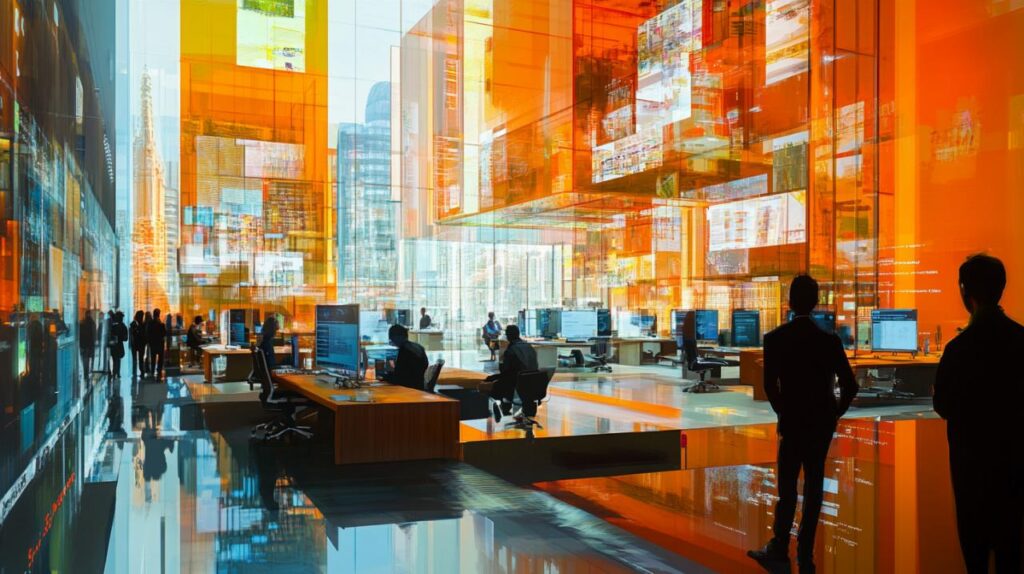
The architectural legacy of Ateliers Jean Nouvel stands as a testament to the power of vision, innovation, and deep cultural sensitivity. Based in the heart of Paris, this distinguished firm has carved out a reputation for creating structures that do more than occupy space; they engage with their surroundings, tell stories, and invite communities to participate in their narratives. The success of Jean Nouvel and his team is not merely a matter of technical brilliance or aesthetic prowess, but rather a profound commitment to integrating cultural values, historical context, and environmental harmony into every project. This approach has transformed the firm into a global leader, celebrated for its ability to marry modernity with tradition and to create buildings that resonate on both local and international stages.
Piecing cultural integration through collaborative design
Engaging Local Communities and Artists in Architectural Vision
One of the defining characteristics of Ateliers Jean Nouvel is the firm's unwavering commitment to collaboration. Jean Nouvel himself has long championed the idea that architecture should not be an isolated endeavour, detached from the people it serves. Instead, he believes that meaningful design emerges from dialogue, from listening to the voices of local residents, artists, and cultural custodians. This philosophy has been woven into the fabric of numerous projects, where the input of communities has directly influenced the final form and function of the buildings. In Paris, where history and modernity coexist in a delicate balance, this approach has proven particularly effective. The firm's work at Fondation Cartier near Palais Royal exemplifies this ethos, as the project embraced the artistic spirit of the area and integrated it into a contemporary framework. By involving artists and cultural figures in the design process, Nouvel ensures that each structure becomes a living extension of its cultural milieu, rather than an imposition upon it.
Harmonising Modern Structures with Heritage and Environment
The success of Ateliers Jean Nouvel also lies in its exceptional ability to harmonise cutting-edge architectural innovation with the rich heritage and natural environment of a site. In a city like Paris, where every street corner is steeped in history, the challenge is to create something new without overshadowing or disrespecting what already exists. Jean Nouvel has mastered this art through meticulous research and a deep respect for context. His designs often feature materials and forms that echo the surrounding architecture, yet they are unmistakably contemporary. The Hekla tower in Paris-La Défense, completed recently, demonstrates this balance. Rising in a district known for its modern skyline, the building nonetheless pays homage to the broader urban landscape through its thoughtful use of glass and light, creating a dialogue between the new and the established. Similarly, the ongoing Duo Towers project in Paris reflects an ambition to reshape the urban skyline while respecting the city's architectural legacy. These projects illustrate how the firm's dedication to environmental and cultural harmony has become a cornerstone of its international acclaim.
Iconic Parisian Landmarks: Musée du quai Branly and Philharmonie de Paris
Reflecting Cultural Diversity at Musée du quai Branly
Among the many projects that have defined the career of Jean Nouvel, the Musée du quai Branly stands out as a masterpiece of cultural integration. This museum, dedicated to the indigenous arts and cultures of Africa, Asia, Oceania, and the Americas, is much more than a repository of artefacts. It is a celebration of diversity, a space where the voices of countless civilisations converge and resonate. The architectural design itself mirrors this ethos, with its lush green facade, organic forms, and intimate exhibition spaces that invite contemplation and discovery. The building does not dominate its environment; rather, it nestles within it, surrounded by gardens that blur the boundary between architecture and nature. This harmonious relationship with the site reflects Nouvel's belief that buildings should enhance, not overpower, their surroundings. The museum has attracted millions of visitors since its opening, becoming a cultural landmark in Paris and a testament to the power of architecture to embody and communicate complex narratives. By engaging with the cultural diversity of its collections and the community it serves, the Musée du quai Branly exemplifies the firm's commitment to creating spaces that are both meaningful and memorable.
Transforming musical heritage through philharmonie de paris
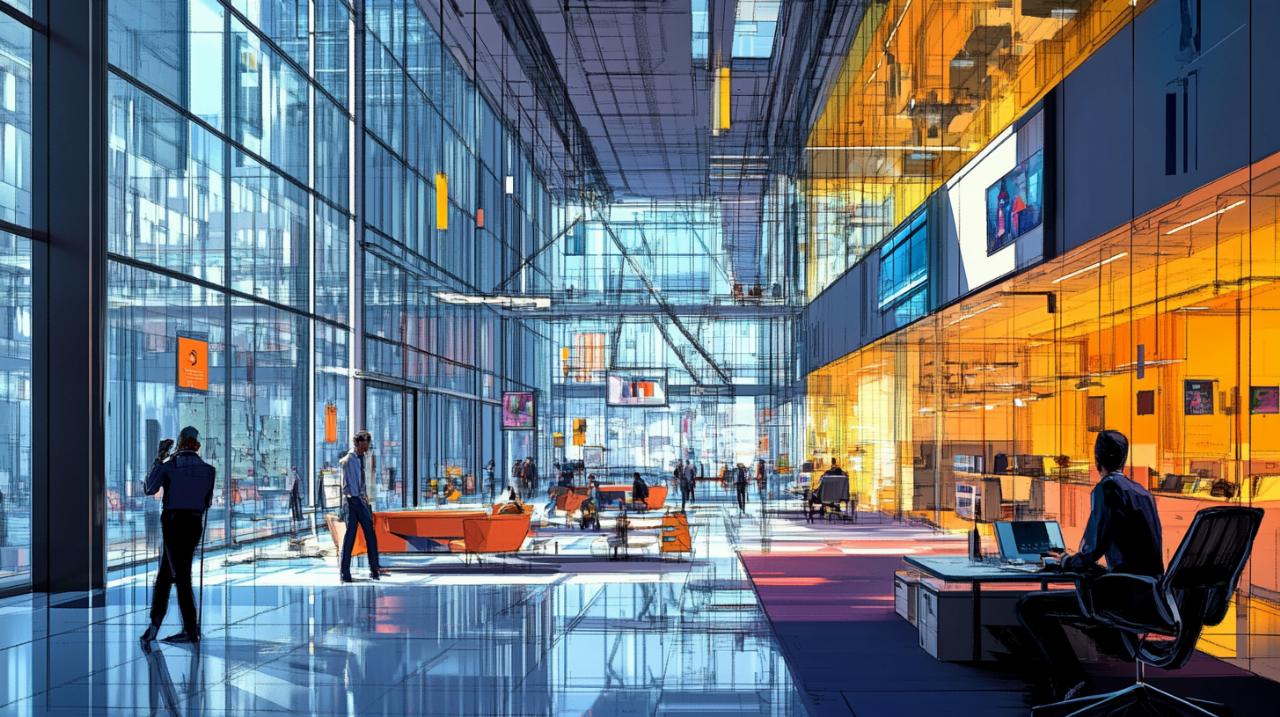
Another jewel in the crown of Ateliers Jean Nouvel is the Philharmonie de Paris, a project that has redefined the city's musical landscape. This concert hall, designed to offer an unparalleled acoustic experience, is also a work of art in its own right. Its striking exterior, composed of overlapping metallic panels, creates a sense of movement and energy that reflects the dynamism of music itself. Inside, the auditorium is configured to bring audiences closer to the performers, fostering an intimate connection that enhances the emotional impact of each performance. The Philharmonie has become a cultural magnet, drawing music lovers from across the globe and cementing Paris's reputation as a capital of the arts. What sets this project apart is not just its technical sophistication, but also its ability to engage with the broader community. The building includes educational spaces, rehearsal rooms, and public areas designed to make classical music more accessible to all. This inclusive approach reflects Jean Nouvel's belief that architecture should serve society, opening doors rather than erecting barriers. The Philharmonie de Paris stands as a symbol of how thoughtful design can transform cultural heritage and create new traditions for future generations.
Global recognition and sustainable architectural excellence
International Projects from Abu Dhabi to Nice
While Paris remains the spiritual home of Ateliers Jean Nouvel, the firm's influence extends far beyond the borders of France. Jean Nouvel has undertaken ambitious projects across the globe, each one tailored to its unique cultural and environmental context. In Abu Dhabi, his work on the Louvre Abu Dhabi has garnered international acclaim, creating a dialogue between Western and Middle Eastern artistic traditions. In China, the Museum of Art Pudong in Shanghai and the TAG Art Museum in Qingdao showcase his ability to adapt his vision to diverse cultural landscapes while maintaining a coherent design philosophy. The Sharaan Resort in Al-Ula, Saudi Arabia, represents a bold experiment in integrating luxury hospitality with the dramatic natural beauty of the desert, respecting the site's archaeological significance while offering a contemporary experience. In Japan, the forthcoming Not a Hotel project in Yakushima promises to blend cutting-edge design with the serene landscapes of one of the country's most revered natural environments. These projects, spanning continents and cultures, demonstrate the firm's remarkable versatility and its commitment to engaging deeply with each location's unique identity. They also highlight the global recognition that Jean Nouvel has earned, not only for his technical mastery but for his ability to create buildings that speak to the human experience in all its richness and complexity.
Championing Sustainability and Community Engagement in European Architecture
In an era where sustainability has become a pressing concern, Ateliers Jean Nouvel has emerged as a role model for responsible architecture. The firm's projects consistently prioritise environmental considerations, from energy efficiency and the use of sustainable materials to the integration of green spaces and the minimisation of ecological footprints. The Hekla tower in La Défense, for example, incorporates advanced technologies to reduce energy consumption while providing a healthy and comfortable environment for its occupants. Beyond technical solutions, however, the firm's commitment to sustainability is also evident in its approach to community engagement. By involving local stakeholders in the design process and creating spaces that serve the public good, Ateliers Jean Nouvel ensures that its buildings contribute positively to the social fabric of their locations. This holistic approach has set a benchmark for European architecture, inspiring other firms to adopt similar practices. Publications by prestigious houses such as Éditions Flammarion and Taschen have further disseminated the firm's ideas and achievements, ensuring that its influence continues to grow. Ateliers Jean Nouvel's work demonstrates that architecture can be both beautiful and responsible, that it can honour the past while embracing the future, and that it can serve as a powerful force for cultural and environmental good. The firm's ongoing projects, including the Samsung Pavilion set to open in Paris, promise to continue this legacy, offering new expressions of the principles that have made Jean Nouvel one of the most celebrated architects of our time.