

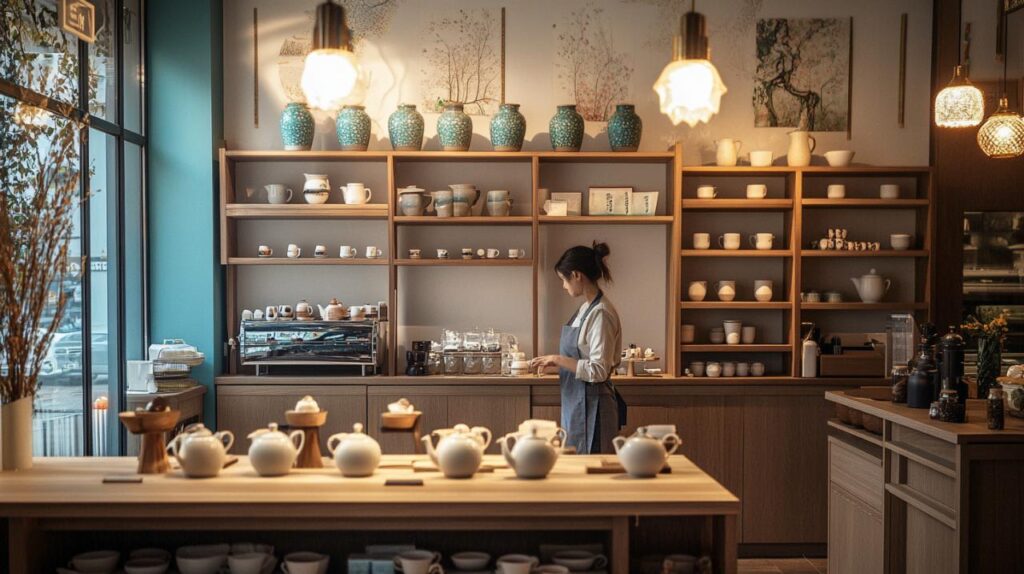
Opening a tea room that captures the imagination of customers whilst embracing the shifting beauty of the seasons is an exciting venture that merges creativity with commerce. This endeavour requires meticulous planning, a strong grasp of the financial landscape, and a clear vision for what makes your establishment truly memorable. From securing the right premises to designing an ever-evolving ambience that reflects the time of year, every detail contributes to a welcoming space where patrons can savour exceptional brews and delightful refreshments. The journey from concept to opening day involves careful consideration of legal requirements, budgeting, and the unique identity that will distinguish your tea room in a competitive market.
Establishing your tea room foundation: business planning and legal requirements
A robust business plan serves as the backbone of your tea room venture, guiding every decision from initial investment to daily operations. This document should articulate your vision, outline your target market, and provide a detailed analysis of competitors in your area. Understanding the demographics of your clientele, whether they are local professionals seeking a tranquil retreat or tourists drawn to your seasonal themes, will inform your menu offerings and marketing strategies. A well-researched business plan also demonstrates to potential investors and lenders that you have thoroughly assessed the viability of your concept. It should include projected revenue streams, anticipated customer footfall, and a realistic timeline for reaching profitability. By mapping out these elements, you create a roadmap that not only clarifies your objectives but also highlights potential challenges and opportunities for growth.
Crafting a Comprehensive Business Plan for Your Seasonal Tea Room
When developing your business plan, it is essential to integrate the concept of rotating seasonal themes from the outset. This approach not only differentiates your tea room from others but also provides a dynamic framework for marketing and menu development. Consider how each season can inspire specific blends, decor adjustments, and special events that keep your offering fresh and engaging. For instance, spring might celebrate floral infusions and light pastries, whilst autumn could feature warming spiced teas and hearty bakes. Your business plan should outline how these themes will be implemented, including a calendar of changes and associated costs. Additionally, it is prudent to establish relationships with a B2B tea supplier early on, ensuring access to a diverse range of loose leaf tea, organic tea, and speciality tea that aligns with your seasonal vision. Partnering with a Glasgow tea company or another reputable wholesale tea provider can also offer valuable tea business advice and support as you refine your concept. By embedding flexibility and creativity into your planning, you set the stage for a tea room that evolves with the year and captivates your audience.
Navigating licences, permits, and legal formalities
Securing the necessary licences and permits is a critical step that cannot be overlooked. In the United Kingdom, operating a tea room requires compliance with food safety regulations, health and safety standards, and local authority requirements. You will need to register your business with your local council, ensuring that your premises meet hygiene standards as set out by the Food Standards Agency. This includes obtaining a food hygiene rating, which is displayed prominently and influences customer confidence. Additionally, if you plan to serve alcohol, a premises licence is required, though many tea rooms focus solely on non-alcoholic beverages and light refreshments. It is advisable to consult with a solicitor or business advisor who specialises in hospitality to ensure that all legal formalities are addressed. This includes registering for VAT if your turnover exceeds the threshold, securing appropriate insurance coverage, and understanding employment law if you intend to hire staff. Compliance with these regulations not only protects your business but also safeguards the wellbeing of your customers, establishing a foundation of trust and professionalism.
Budgeting and Financial Considerations for Your Tea Room Venture
Understanding the financial demands of opening a tea room is essential for long-term success. From securing a suitable location to equipping your space with quality teaware and brewing equipment, every expenditure must be carefully planned and justified. A realistic budget helps you avoid overspending and ensures that funds are allocated to areas that will have the greatest impact on your business. It is important to distinguish between one-off start-up costs and ongoing operational expenses, as both will influence your cash flow and profitability. By conducting thorough research and seeking quotes from multiple suppliers, you can identify cost-effective solutions without compromising on quality. This financial discipline is particularly important when dealing with seasonal inventory rotation, as you will need to invest in new stock and decor elements several times a year. Establishing a buffer for unexpected expenses is also wise, providing a safety net that allows you to respond to challenges without jeopardising your operations.
Calculating start-up costs: lease, equipment, and initial stock
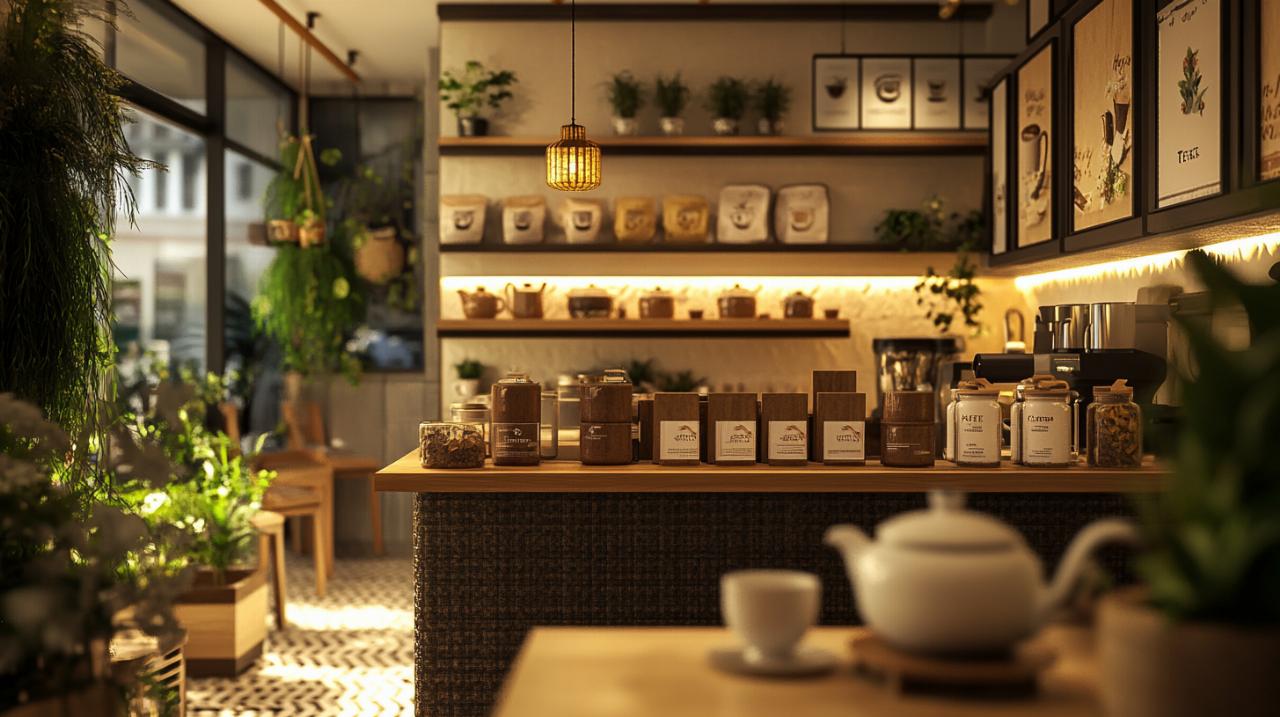
The initial investment for a tea room encompasses several key areas, starting with securing a lease for your premises. Location is paramount, and opting for a site in a central, commercial, or touristic area can significantly enhance your visibility and customer footfall. However, prime locations often come with higher rental costs, so it is essential to balance desirability with affordability. Once you have identified a suitable space, you will need to budget for refurbishment and decor that align with your seasonal concept. This includes comfortable seating, natural elements such as plants and wood furnishings, and lighting that creates a warm and inviting atmosphere. Equipment costs are another major consideration, encompassing everything from commercial-grade kettles and teapots to filters, matcha accessories, and display cabinets. Investing in quality tea accessories not only enhances the customer experience but also reflects your commitment to excellence. Your initial stock should include a diverse range of teas, from black tea and green tea to white tea, oolong, pu-erh, and herbal infusions. Partnering with a wholesale tea supplier that offers bespoke packaging and custom tea blending can help you create a unique menu that sets your tea room apart. Additionally, you may wish to stock spices and blends, as well as a selection of pastries and light meals to complement your beverage offerings. By itemising these costs and obtaining detailed quotes, you can create a comprehensive budget that guides your spending and ensures you have sufficient capital to launch successfully.
Managing ongoing expenses and seasonal inventory rotation
Once your tea room is operational, managing ongoing expenses becomes a continuous priority. Rent, utilities, staff wages, and restocking costs must be carefully monitored to maintain profitability. The concept of rotating seasonal themes introduces an additional layer of complexity, as you will need to refresh your inventory and decor multiple times throughout the year. Planning these transitions well in advance allows you to negotiate favourable terms with suppliers and avoid last-minute price hikes. Working closely with a B2B tea supplier who understands your vision can facilitate smoother transitions, as they can provide tailored recommendations for seasonal teas and offer flexible ordering options. For example, sourcing biodegradable tea bags and private label tea can enhance your brand identity whilst appealing to environmentally conscious customers. It is also beneficial to establish relationships with tea stockists and multilingual tea shops if you cater to a diverse clientele, ensuring that your offerings resonate with different cultural preferences. Regularly reviewing your financial performance, tracking sales data, and adjusting your menu based on customer feedback will help you stay agile and responsive. By maintaining a disciplined approach to budgeting and inventory management, you can sustain the dynamism of your seasonal concept without compromising financial stability.
Designing a Distinctive Concept with Rotating Seasonal Themes
Creating a unique identity for your tea room is what transforms a simple beverage service into a memorable experience. Your concept should reflect not only your passion for tea but also a deep understanding of what customers seek in a modern tea room. This involves more than just serving quality brews; it is about crafting an environment where every element, from the decor to the menu, tells a cohesive story. Rotating seasonal themes provide a powerful framework for this narrative, allowing you to celebrate the natural rhythms of the year whilst keeping your offerings fresh and exciting. This approach encourages repeat visits, as customers return to discover new flavours and atmospheres with each season. It also offers opportunities for creative marketing, as you can promote special events, limited-edition blends, and themed decor updates through social media channels such as Instagram and Facebook. By building a distinctive brand that resonates with your target audience, you establish a loyal customer base that values both the quality of your products and the uniqueness of your concept.
Creating a unique identity that sets your tea room apart
Your tea room's identity should be reflected in every touchpoint, from your logo and signage to the language used in your marketing materials and the ambience of your physical space. Consider what makes your offering different from other tea rooms and cafes in your area. Perhaps you specialise in rare and exclusive teas, such as matcha or pu-erh, or you focus on organic tea and sustainable sourcing. Your commitment to social responsibility and careers within the tea trade can also form part of your brand story, appealing to customers who value ethical practices. Offering tea room consultation services or hosting workshops on custom tea blending and tea preparation can further enhance your reputation as an authority in the field. The decor should create a welcoming atmosphere that invites customers to linger, with comfortable seating arranged to facilitate both intimate conversations and larger gatherings. Natural elements such as wood, stone, and greenery can evoke a sense of tranquillity, whilst carefully chosen lighting and colour palettes reflect the current season. Your menu should be comprehensive yet focused, showcasing a range of loose leaf tea alongside speciality tea, fruit blends, rooibos and honeybush, and herbal infusions. Including a selection of light meals, pastries, and snacks ensures that customers can enjoy a complete experience, whether they visit for a quick break or a leisurely afternoon tea. By weaving these elements together, you create a cohesive identity that is both distinctive and memorable.
Implementing Seasonal Themes to Engage and Attract Clientele
Rotating seasonal themes breathe new life into your tea room throughout the year, ensuring that each visit offers something fresh and unexpected. This strategy requires careful planning and a creative approach to both your menu and your decor. As each season approaches, conduct a review of your current offerings and identify opportunities for innovation. Spring might inspire a menu featuring delicate white tea and floral infusions, paired with lighter pastries and fresh fruit. Summer could bring refreshing iced teas, perhaps incorporating mint or citrus, alongside vibrant decor that celebrates sunshine and warmth. Autumn is an ideal time to introduce spiced blends, warming rooibos, and hearty bakes, whilst winter might focus on rich black tea, comforting pu-erh, and festive treats. Each transition should be supported by a marketing campaign that builds anticipation and excitement among your customer base. Utilise your social media presence to share behind-the-scenes glimpses of your preparations, highlight new arrivals from your wholesale tea supplier, and invite feedback on proposed changes. Engaging your audience in this way fosters a sense of community and investment in your tea room's success. Additionally, consider hosting seasonal events such as tasting sessions, themed afternoons, or collaborations with local artisans and producers. These activities not only enhance the customer experience but also generate word-of-mouth promotion and strengthen your position within the local community. By making seasonal themes an integral part of your business model, you demonstrate a commitment to innovation and quality that sets your tea room apart in a crowded market.