

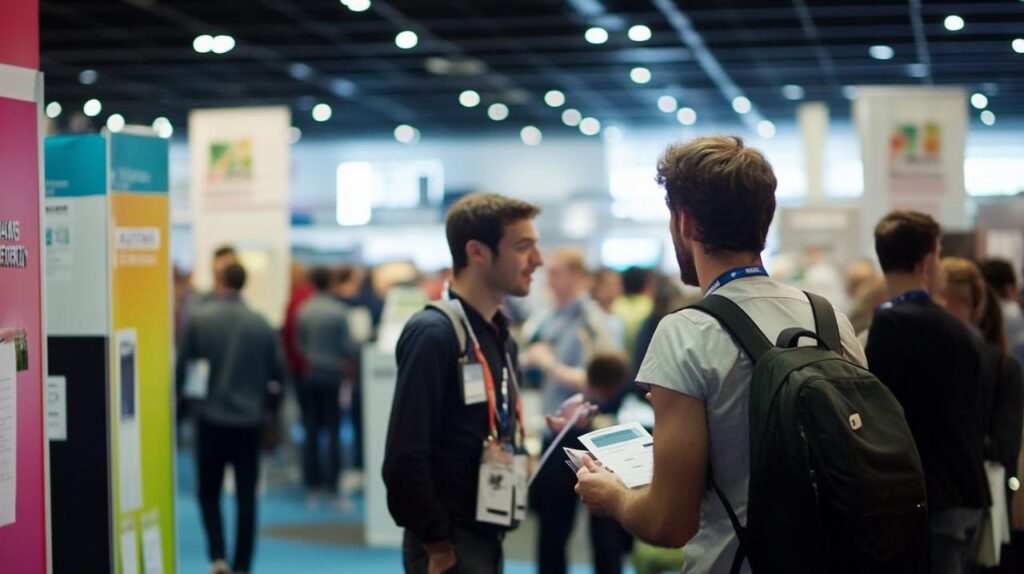
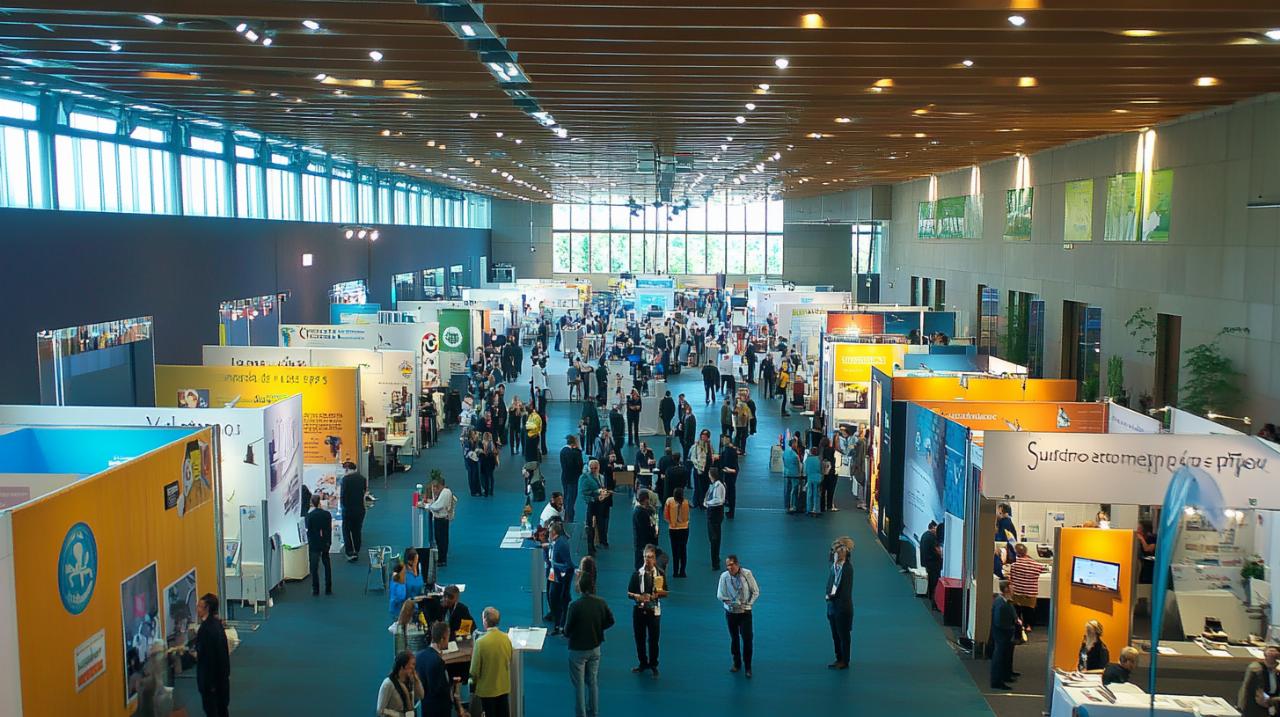
The Lyon Entrepreneurs Fair, held on 13 and 14 June 2012, served as a landmark moment for sustainability and green innovation in the entrepreneurial landscape. This gathering brought together visionary business leaders, environmental advocates, and forward-thinking investors who recognised the urgent need to embed ecological responsibility into the fabric of modern commerce. Over a decade later, the principles and practices showcased during those two pivotal days continue to resonate throughout global business communities, demonstrating how localised events can catalyse far-reaching environmental transformation.
Pioneering Environmental Initiatives Showcased at the 2012 Lyon Fair
The event distinguished itself by presenting a diverse array of environmental initiatives that challenged conventional business wisdom. Entrepreneurs from across the region converged to share their experiences in developing enterprises that prioritised ecological stewardship alongside profitability. The atmosphere buzzed with enthusiasm as participants exchanged ideas about reducing carbon footprints, minimising resource consumption, and reimagining supply chains. What made this gathering particularly significant was its timing, occurring during a period when sustainability discourse was transitioning from niche concern to mainstream imperative. The fair became a crucible where theoretical environmental concepts met practical business application, fostering collaborations that would endure well beyond the event itself.
Groundbreaking eco-friendly business models that emerged
Among the most compelling aspects of the fair were the innovative business models that reimagined traditional commercial structures through an environmental lens. Entrepreneurs presented ventures that demonstrated how ecological considerations could enhance rather than hinder profitability. Several exhibitors showcased enterprises built on product-as-service frameworks, where customers accessed functionality without owning physical goods, thereby reducing manufacturing demands and waste generation. Others highlighted collaborative consumption platforms that maximised resource utilisation across communities. These models challenged the prevailing assumption that economic growth necessitated increased material throughput, offering instead a vision of prosperity decoupled from environmental degradation. The conversations sparked during these presentations laid groundwork for business approaches that have since become increasingly commonplace across various sectors.
Renewable energy solutions that shaped the future
Renewable energy technologies occupied a prominent position throughout the fair, reflecting growing recognition of fossil fuel dependency as both economically risky and environmentally untenable. Entrepreneurs demonstrated solar panel innovations designed for urban environments, wind energy systems scaled for small businesses, and biomass solutions that transformed agricultural waste into productive energy sources. These presentations went beyond mere technological showcasing; they included detailed discussions about financing mechanisms, regulatory navigation, and community engagement strategies essential for successful implementation. The energy transition narrative presented at the fair emphasised accessibility and scalability, making clean power seem achievable for enterprises of all sizes rather than the exclusive domain of large corporations. This democratisation of renewable energy expertise contributed significantly to accelerated adoption in subsequent years.
How lyon's green entrepreneurs influenced modern sustainable practices
The influence of the Lyon gathering extended well beyond the immediate participant network, creating ripples that transformed broader business ecosystems. Attendees returned to their respective industries equipped with fresh perspectives on environmental responsibility, often becoming champions for sustainable practices within their organisations and professional communities. The fair functioned as an intellectual catalyst, accelerating the spread of green innovation through personal networks and subsequent collaborations. Many partnerships formed during those June days evolved into enduring business relationships and knowledge-sharing arrangements that continuously refined sustainable methodologies. The event demonstrated how concentrated gatherings of purpose-driven entrepreneurs could generate momentum that persisted long after formal proceedings concluded.
Circular economy concepts introduced during the event
The fair proved instrumental in popularising circular economy principles among entrepreneurial audiences who might otherwise have remained unfamiliar with these transformative concepts. Presenters articulated visions of economic systems where materials circulated continuously through production cycles rather than following linear paths toward disposal. Discussions explored practical applications such as design for disassembly, which ensured products could be easily separated into constituent materials for subsequent use cycles. Entrepreneurs shared case studies demonstrating how businesses could capture value from material recovery whilst simultaneously reducing environmental impact. These circular frameworks offered compelling alternatives to extract-produce-dispose models, presenting environmental stewardship not as constraint but as opportunity for innovation and competitive advantage. The conversations initiated during the fair contributed to circular economy concepts gaining traction across diverse industries throughout the following decade.
Waste reduction strategies that became industry standards
Waste minimisation emerged as a recurring theme throughout the fair, with entrepreneurs sharing strategies that have since evolved into standard practices across numerous sectors. Participants discussed comprehensive approaches to waste prevention, beginning with thoughtful material selection and extending through production processes, distribution networks, and end-of-life management. Several presenters highlighted zero-waste manufacturing techniques that reimagined supposed byproducts as valuable inputs for other processes. Others focused on packaging innovations that eliminated unnecessary materials whilst maintaining product protection. The fair fostered an understanding that waste represented not merely an environmental problem but an economic inefficiency indicating underutilised resources. This reframing encouraged businesses to scrutinise their operations for improvement opportunities, leading to both environmental benefits and cost reductions. The waste reduction methodologies discussed during the event gradually permeated industry consciousness, establishing new benchmarks for operational excellence.
The Lasting Impact of June 2012's Sustainability Vision on Today's Business Landscape
Reflecting on the decade following the Lyon Entrepreneurs Fair reveals how significantly its sustainability vision has influenced contemporary business practices. The event occurred during a transitional moment when environmental considerations were beginning their migration from peripheral concern to central strategic consideration. The entrepreneurs gathered during those June days embodied this shift, demonstrating through their ventures that ecological responsibility and commercial success were not mutually exclusive but rather mutually reinforcing. Their collective example helped normalise sustainability as a fundamental business criterion rather than optional enhancement. The fair contributed to building momentum that eventually transformed regulatory frameworks, investment priorities, and consumer expectations surrounding environmental performance.
From local innovation to global environmental leadership
What began as a regional gathering in Lyon contributed to broader movements that transcended geographical boundaries. Many businesses and concepts showcased at the fair attracted attention from international audiences, leading to knowledge transfer across borders and cultural contexts. Entrepreneurs who participated in the event often became ambassadors for sustainable business practices, sharing their experiences at subsequent conferences, through publications, and within professional networks spanning multiple continents. The fair demonstrated how localised innovation hubs could generate ideas and methodologies with universal applicability, challenging assumptions that environmental leadership necessarily originated from particular global centres. This geographical diversity in sustainability innovation enriched the collective knowledge base, ensuring solutions developed in one context could be adapted and refined for different economic and environmental circumstances elsewhere.
Measuring a Decade of Progress in Green Enterprise Development
Evaluating the decade since the Lyon fair reveals substantial progress in green enterprise development, though challenges undoubtedly remain. The entrepreneurial landscape has witnessed remarkable growth in ventures prioritising environmental outcomes, supported by increasingly sophisticated financing mechanisms and supportive policy environments. Concepts that seemed experimental during the 2012 gathering have matured into proven business approaches with demonstrated track records. Renewable energy costs have declined dramatically, circular economy principles have gained institutional acceptance, and waste reduction has become a standard operational consideration rather than niche practice. The fair contributed to this progress by providing a platform where ideas could be shared, refined, and amplified. Whilst attributing specific outcomes to any single event proves difficult, the Lyon Entrepreneurs Fair undeniably participated in broader cultural shifts that elevated sustainability from aspiration to expectation within the business community, establishing foundations upon which continued environmental progress can build.