

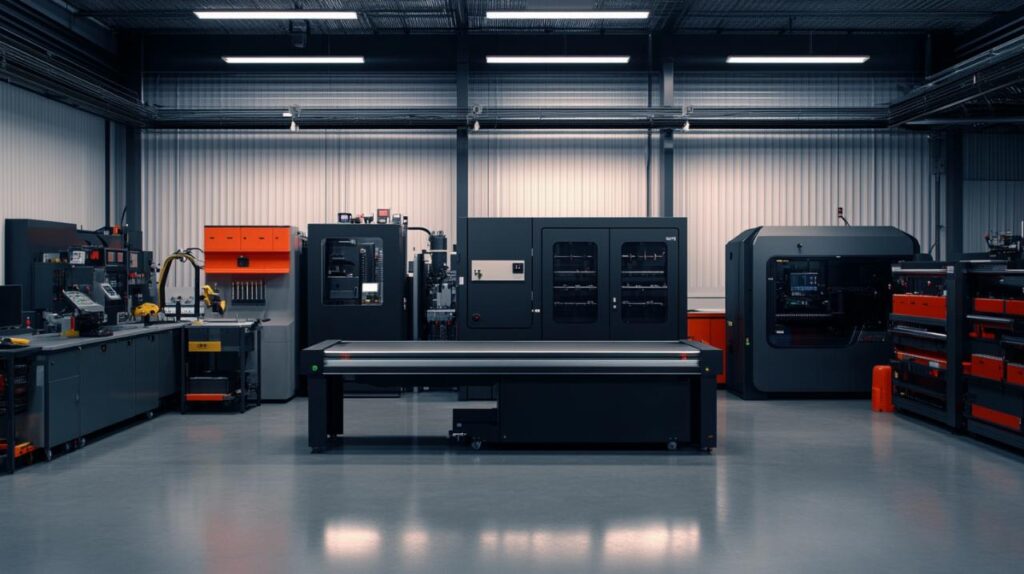
Selecting the appropriate industrial cutting table represents a pivotal decision for manufacturers and workshop operators aiming to streamline their processes and elevate production quality. With the global furniture and equipment market experiencing remarkable expansion and demand for innovative cutting solutions surging by approximately thirty percent since 2020, the importance of making an informed choice has never been more critical. This equipment serves as the foundation for operations in diverse settings, from textile workshops to precision manufacturing facilities, where the right table can significantly reduce operator fatigue, improve material handling accuracy, and enhance overall workflow efficiency.
Understanding material requirements and cutting technologies
Identifying your material types: metal, fibres, and beyond
The first consideration in selecting cutting tables involves a thorough assessment of the materials your operation handles. Different materials demand distinct surface characteristics and structural support. Metal fabrication requires robust construction capable of withstanding heavy loads and resisting corrosion from coolants or metal shavings. Textile workshops, on the other hand, benefit from smooth surfaces that prevent snagging delicate fabrics whilst accommodating wide format rolls that may extend beyond 1800 millimetres in width. Understanding material compatibility ensures your investment delivers optimal performance across your specific applications, whether processing fibres, plastics, composites, or various metal alloys. The surface materials of your chosen table should complement your workpiece materials, with options ranging from wood and steel to specialised plastic compositions, each offering distinct advantages in terms of durability, ease of cleaning, and resistance to scratches or chemical damage.
Comparing laser, plasma, and water jet cutting technologies
Modern industrial cutting tables often integrate advanced technologies that dramatically influence their suitability for particular applications. Laser cutting systems provide exceptional precision and clean edges, making them ideal for intricate designs and fine detail work, though they may be limited by material thickness and type. Plasma cutting offers versatility with conductive metals and delivers faster cutting speeds on thicker materials, generating significant heat that must be managed through proper table design and heat dissipation features. Water jet technology stands out for its ability to cut virtually any material without introducing heat-affected zones, preserving material properties whilst producing minimal dust or fumes. CNC cutting tables that incorporate these technologies require careful evaluation of their automation features, precision capabilities, and integration with existing production systems to ensure seamless workflow incorporation and maximum return on investment.
Evaluating technical specifications and cnc capabilities
Assessing precision requirements for your production demands
Precision manufacturing environments demand cutting tables that meet stringent accuracy standards, as even minor deviations can result in costly defects and material waste. The technical specifications of industrial cutting equipment must align with your production tolerances, taking into account factors such as repeatability, positioning accuracy, and the stability of the cutting surface under operational loads. Tables intended for professional use typically measure 1500 millimetres by 1000 millimetres or larger, providing ample workspace for complex projects, whilst home or small workshop applications may find 1200 millimetres by 900 millimetres dimensions sufficient. The required finish quality of your end products directly influences tool selection criteria and table specifications, as smoother surface finishes demand more rigid construction, superior vibration handling, and precise tool geometry. Regular calibration procedures ensure your equipment maintains these accuracy standards over time, preventing gradual deterioration in output quality that could compromise your competitive position.
Understanding cnc integration and automation features
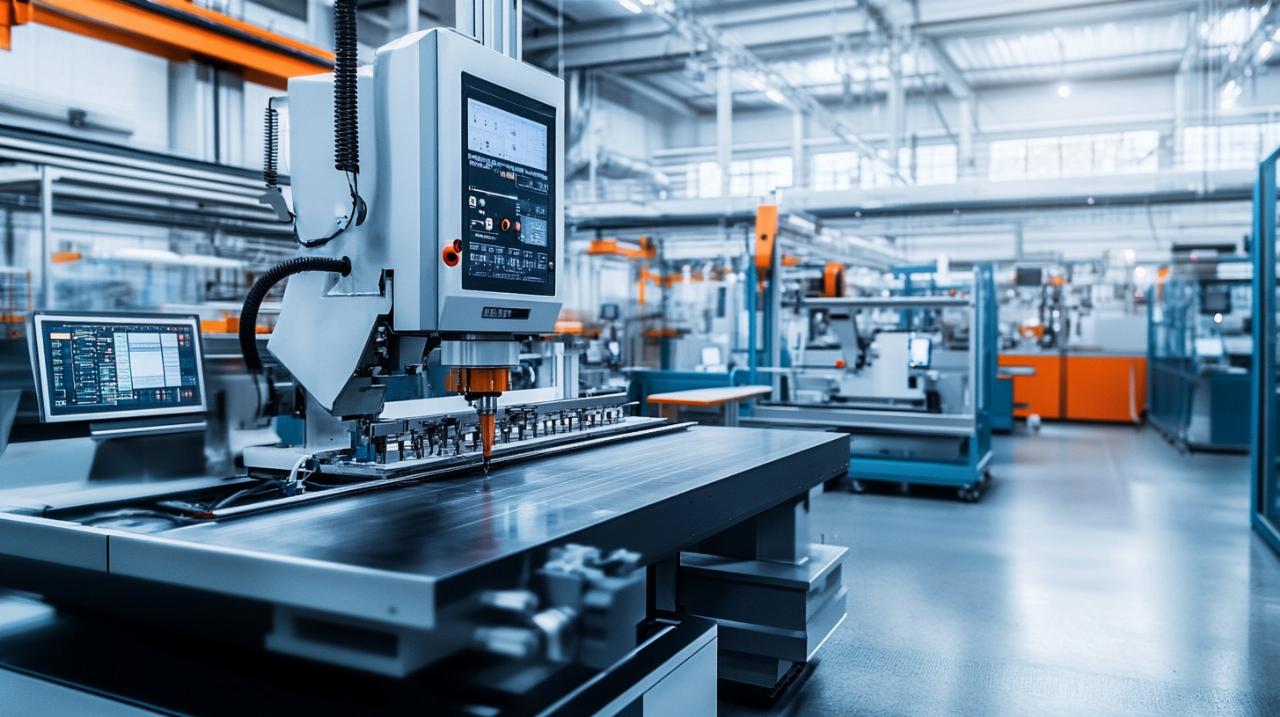
Computer numerical control integration transforms traditional cutting tables into sophisticated production tools capable of executing complex patterns with minimal operator intervention. When evaluating CNC capabilities, consider the sophistication of the control software, the ease of programming for your specific applications, and compatibility with industry-standard file formats. Automation features such as automatic tool changers, integrated measurement systems, and material handling accessories can dramatically reduce production cycle times whilst improving consistency across batches. The learning curve associated with CNC systems varies considerably between models, making user-friendliness a critical consideration, particularly for operations where multiple team members will interact with the equipment. Advanced systems may incorporate features for optimising production speed, reducing waste through efficient nesting algorithms, and monitoring tool wear to schedule maintenance proactively, all contributing to enhanced operational efficiency and reduced downtime.
Comparing durability, features, and operational efficiency
Analysing build quality and long-term reliability
Durability standards separate premium industrial cutting tables from economy alternatives, with construction quality directly impacting longevity and maintenance requirements. Robust frames manufactured from heavy-gauge steel provide the stability necessary for precision work whilst resisting deflection under load. Surface materials should demonstrate excellent abrasion resistance and corrosion resistance, particularly in environments where cutting fluids or chemical exposure occurs regularly. The quality of components such as linear guides, drive systems, and structural welds significantly influences vibration handling and overall performance consistency. Investing in equipment that meets rigorous durability standards prevents the dissatisfaction many users experience when cheaper alternatives fail to deliver sustained performance, requiring premature replacement or extensive repairs that disrupt production schedules. Tool maintenance practices and proper handling protocols extend equipment lifespan, but the foundation must be solid construction designed for demanding industrial environments.
Examining user-friendliness and workflow integration
Beyond technical capabilities, practical considerations such as ergonomic design and workspace integration determine how effectively cutting tables enhance daily operations. Ergonomic cutting table heights typically range from 850 millimetres to 950 millimetres for adult operators, reducing back strain during extended use, whilst adjustable height features accommodate shared workspaces where multiple users with different stature requirements access the equipment. Mobility features such as lockable castors provide flexibility in workspace setup, allowing tables to be repositioned for different projects or moved aside when floor space is needed for other activities. Integrated storage solutions including shelves, drawers, and tool holders keep essential accessories organised and immediately accessible, eliminating time wasted searching for required items and improving workflow optimisation. Price ranges vary considerably based on features, with basic models starting around one hundred fifty pounds for surface materials whilst sophisticated systems incorporating height adjustment, premium surfaces, and comprehensive storage may command six hundred pounds or more. Compact designs suit operations with limited floor space without sacrificing essential functionality, whilst wide format equipment serves industries requiring expansive work surfaces for large-scale projects. Portability options and modular configurations allow bespoke furniture solutions tailored to unique operational requirements, ensuring your cutting table complements rather than constrains your production processes.