

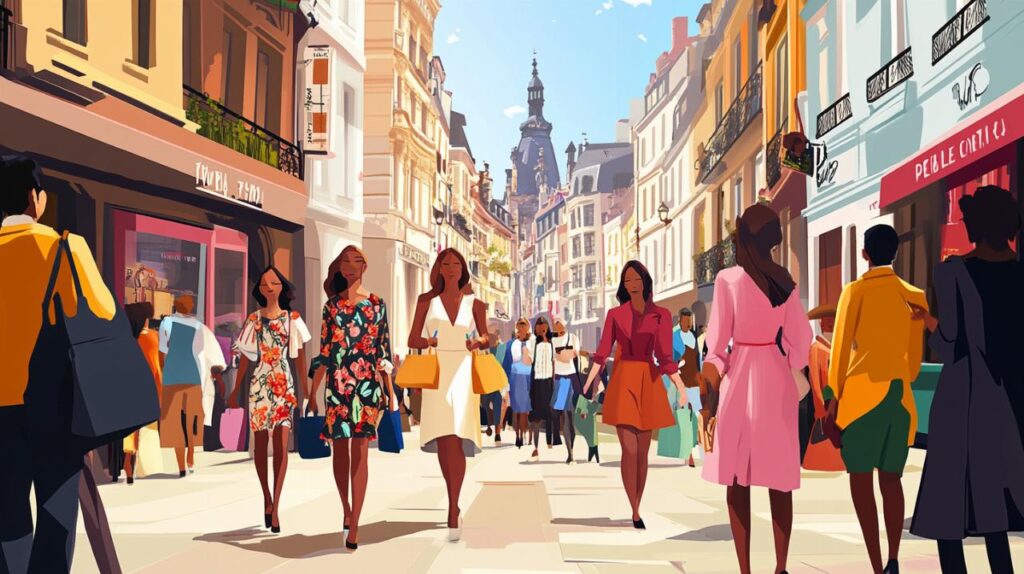
The pulse of style beats strongest where innovation meets tradition, and nowhere is this more evident than across the vibrant landscapes of European fashion. From the storied ateliers of Paris to the cutting-edge studios scattered throughout the continent, designers are crafting narratives that speak to both heritage and the future. As the seasons shift, so too do the visions presented on runways and in boutiques, offering a tantalising glimpse into what will soon grace wardrobes from Edinburgh to Rome.
The Rise of Sustainable and Bold Aesthetics Across European Runways
The conversation around sustainability has moved from whispered concerns in backrooms to headline declarations on the grandest stages of fashion. Designers are no longer merely considering the environmental impact of their creations as an afterthought; rather, it has become a central pillar of their creative philosophy. This shift is not only reshaping how garments are made but also redefining the very essence of what it means to be fashionable in the modern age. The latest collections emerging from Europe demonstrate a commitment to materials that honour the planet whilst delivering the visual impact that fashion aficionados crave.
Eco-conscious fabrics taking centre stage
Organic cotton, recycled polyester, and innovative plant-based textiles are no longer relegated to niche markets or specialist brands. Instead, they have become the building blocks of mainstream collections, championed by both established houses and emerging talents. The industry's embrace of these materials reflects a broader cultural movement towards responsible consumption, one that resonates particularly strongly with younger generations who demand transparency and accountability from the brands they support. Retailers are adapting their strategies accordingly, recognising that the future of apparel lies in balancing aesthetic appeal with ethical production. The shift to online shopping has further amplified this trend, as digital platforms provide space for brands to articulate their sustainability narratives in detail, offering consumers the information they need to make informed choices.
Vibrant colour palettes redefining contemporary wardrobes
Whilst sustainability anchors the ethical dimension of contemporary fashion, the visual language being spoken across European runways is anything but muted. Bold, saturated hues have stormed back into favour, challenging the minimalist neutrals that dominated previous seasons. Designers are embracing jewel tones, electric brights, and unexpected colour combinations that inject energy and optimism into everyday dressing. This chromatic renaissance is not simply about making a statement; it reflects a desire to celebrate individuality and joy in uncertain times. The influence of digital culture cannot be overlooked here, as garments designed to captivate on social media feeds require the kind of visual punch that translates across screens. The average UK consumer now spends considerable time online daily, and this digital immersion shapes not only how fashion is consumed but also how it is conceived. The interplay between physical presence and digital representation has become a defining characteristic of fashion trends in Europe, with designers increasingly aware that their creations must dazzle in both realms.
Modern tailoring meets heritage: the evolution of classic european style
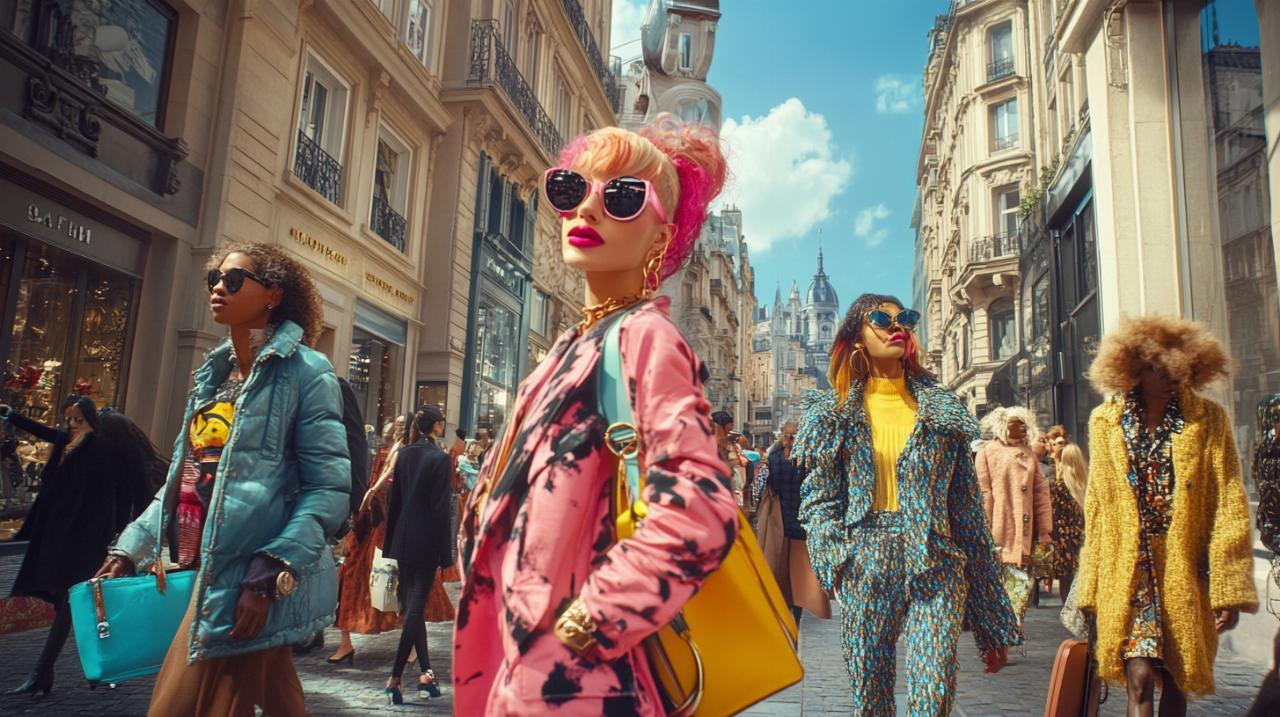
European fashion has always been a dialogue between past and present, a conversation that honours centuries of craftsmanship whilst refusing to be confined by nostalgia. The latest wave of collections demonstrates this balance with remarkable finesse, as designers draw upon the rich archives of tailoring traditions and reinterpret them through a distinctly contemporary lens. The result is clothing that feels both familiar and refreshingly new, garments that acknowledge their lineage without being burdened by it. This approach resonates particularly in a cultural moment where heritage and innovation are increasingly seen not as opposing forces but as complementary elements of a cohesive vision.
Reinventing traditional cuts with contemporary silhouettes
The structured blazer, the impeccably cut trouser, the tailored coat—these are the cornerstones of European style, garments that have endured because of their timeless appeal. Yet today's designers are not content to simply reproduce the patterns of yesteryear. Instead, they are deconstructing these classics, playing with proportions, experimenting with unexpected fabrics, and introducing asymmetries that challenge conventional notions of fit and form. The influence of streetwear and sportswear has permeated even the most traditional bastions of tailoring, resulting in hybrid pieces that bridge formal and casual contexts. This fluidity speaks to evolving lifestyles, particularly in urban centres where the boundaries between work, leisure, and social engagement have become increasingly blurred. The V&A museum in London is hosting a Schiaparelli exhibition called Schiaparelli:FashionBecomesArt, which opened to the public on 28 March 2026. The exhibition explores the history of the Schiaparelli brand and its influence on fashion, featuring 400 objects on display, including 100 ensembles. Highlights include the 1938 Skeleton dress and the 1938 Tears dress, collaborations with Salvador Dalí, alongside 50 pieces of artwork, accessories, jewellery, furniture, perfumes and archive material. The exhibition also features modern designs by Daniel Rosenberry, including outfits worn by Bella Hadid and Dua Lipa, demonstrating how historical innovation continues to inform contemporary practice.
London's influence on continental fashion innovations
London occupies a singular position within the European fashion ecosystem, serving as both a custodian of tradition and a laboratory for experimentation. The city's fashion scene thrives on its diversity, drawing talent from across the globe and fostering an environment where risk-taking is not only encouraged but celebrated. This spirit of innovation ripples outward, influencing designers and brands across the continent who look to London for inspiration and validation. The capital's fashion institutions, including the V&A which has previously hosted fashion exhibitions for Dior, Balenciaga and Alexander McQueen, play a crucial role in this dynamic, offering platforms where historical context and contemporary creativity converge. The retail landscape is evolving in parallel, with physical stores reimagined as showrooms and micro-fulfilment hubs, reflecting broader shifts in consumer behaviour. Social media has emerged as a key discovery tool, with a significant portion of younger shoppers purchasing apparel online after encountering it on digital platforms. The average time spent online continues to climb, particularly among younger demographics, shaping not only how fashion is marketed but also how it is designed and distributed. Customer acquisition costs have increased significantly, with keyword search terms now demanding substantial investment compared to a decade ago, whilst major digital advertising platforms command the lion's share of global revenues. Personalisation has become a valuable commodity, especially among younger consumers who appreciate tailored recommendations and styling services. The shift to online shopping shows no signs of slowing, with forecasts suggesting that a substantial majority of UK apparel sales will occur online in the coming years. Yet this digital dominance comes with challenges, including thinner profit margins and higher return rates compared to traditional retail channels. The fashion industry is navigating these complexities whilst continuing to deliver the creativity and innovation that define its essence, ensuring that European style remains as compelling and influential as ever.