

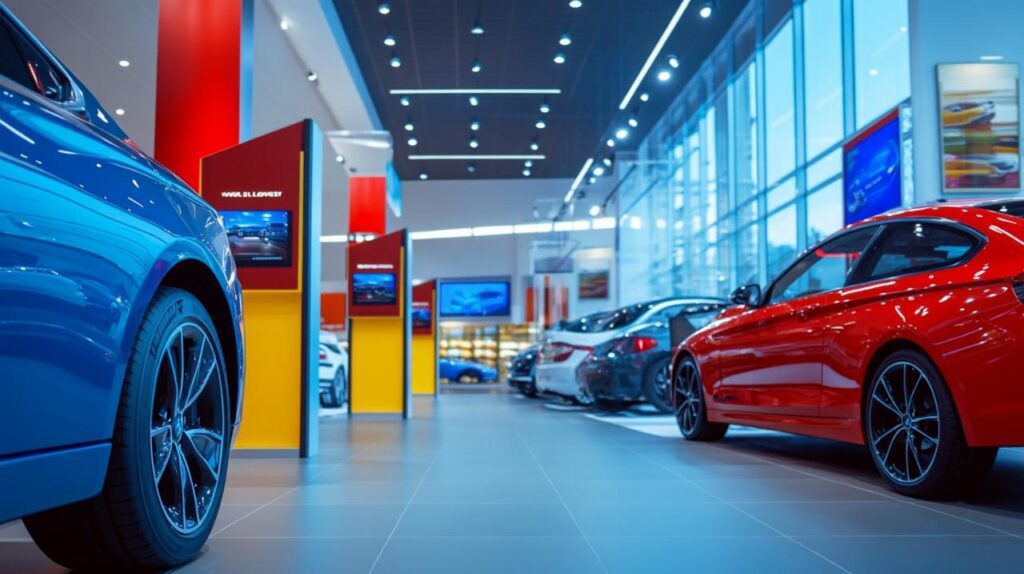
Car parks represent far more than simple spaces where vehicles sit idle. They serve as dynamic revenue generators for businesses ranging from hotels to retail parks and leisure venues. With the right approach to point of sale displays and strategic promotional materials, these spaces can transform into powerful marketing platforms that capture attention, communicate value, and ultimately maximise returns. The challenge lies in achieving this without excessive expenditure, relying instead on clever positioning, cost-effective materials, and engaging visual techniques that resonate with motorists and pedestrians alike.
Strategic Placement and Design of POS Displays in Car Parks
Success in car park advertising begins with understanding where people naturally look and linger. The most effective displays appear in locations where drivers slow down or stop, such as near entrances, exits, payment machines, and pedestrian walkways. These high-traffic zones offer maximum visibility without requiring expensive installations across every corner of the facility. By concentrating efforts on these strategic points, businesses can achieve significant impact while keeping costs manageable.
Identifying high-traffic zones for optimal visibility
Observation reveals patterns that data alone cannot capture. Watching how motorists navigate a car park throughout different times of day provides invaluable insights into where promotional materials will garner the most attention. Areas adjacent to pay and display machines naturally attract focus as drivers pause to complete transactions. Similarly, zones near staircases or lifts connecting to retail or leisure facilities present prime opportunities for brand messaging. The key lies in placing displays where the audience has a moment to absorb information rather than rushing past. Modern ANPR cameras and data analytics tools can complement this observational approach by tracking movement patterns and dwell times, allowing for evidence-based decisions about display placement that blend intuition with hard numbers.
Cost-effective display materials that withstand outdoor conditions
Budget constraints need not compromise quality or longevity when selecting materials for car park displays. Self-adhesive vinyl offers an excellent solution for wall branding, delivering bold graphics that resist weather exposure without requiring permanent structural changes. This material adheres smoothly to various surfaces and can be removed or replaced as campaigns evolve, making it ideal for seasonal promotions or rotating product information. Flags and banners constructed from durable synthetic fabrics provide another economical option, capturing attention through movement whilst withstanding wind, rain, and sunlight. When considering printed materials, choosing appropriate paper weights and finishes ensures that flyers and counter displays maintain their professional appearance despite occasional moisture or handling. Reusable promotional materials further enhance cost efficiency by serving multiple campaigns with simple updates or interchangeable components, reducing both printing expenses and environmental waste.
Dynamic advertising techniques to capture motorists' attention
Static displays risk fading into background noise within busy car parks. The most successful promotional strategies incorporate elements that catch the eye and create memorable impressions. This does not necessarily require expensive digital screens or complex installations; even simple design choices can dramatically enhance visual impact and customer engagement.
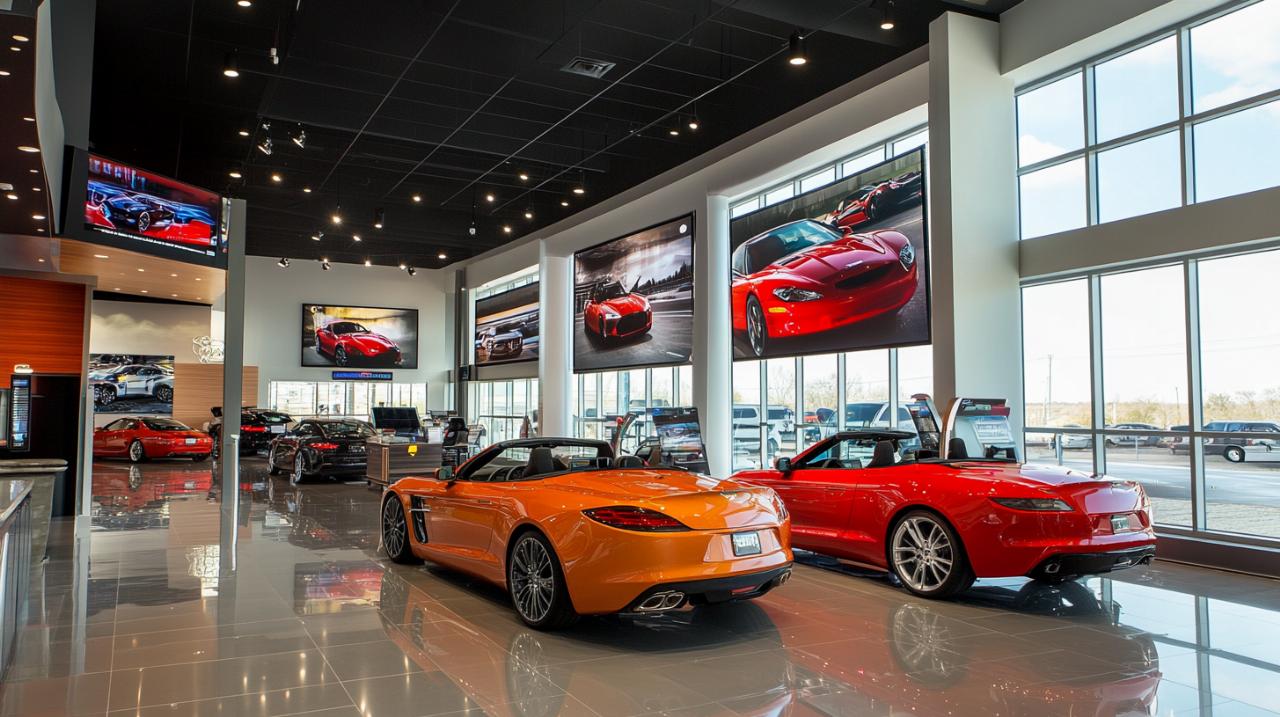
Implementing eye-catching visual elements and animation
Colour selection plays a fundamental role in attracting attention whilst maintaining visual harmony within the broader environment. Bold, contrasting hues draw the eye effectively, but must be balanced to avoid overwhelming viewers or clashing with existing branding. Animation, whether through physical movement or the illusion of motion created through graphic design, adds another dimension to display effectiveness. Flags fluttering in the breeze naturally attract peripheral vision, whilst carefully designed graphics can suggest movement through directional lines or progressive imagery. Interactive elements, such as displays that respond to touch or proximity, transform passive viewing into active participation, creating stronger connections between customers and products. Even modest additions like rotating display fixtures that showcase different angles or features of merchandise can maintain interest and encourage closer inspection.
Utilising Flags, Banners, and Counter Displays for Product Promotion
Different display formats serve distinct purposes within the car park environment. Flags extend promotional reach beyond immediate retail spaces, visible from considerable distances and effective at guiding customers toward specific locations or offers. Their vertical orientation makes them particularly suitable for car parks where horizontal sightlines may be obstructed by vehicles. Banners spanning walls or fencing provide larger canvases for detailed product information and brand storytelling, whilst counter displays near payment points or customer service areas allow for more intimate presentations of smaller items or special promotions. Euro hooks and similar fixtures offer versatility in product arrangement, enabling regular rotation that keeps displays fresh and maintains customer interest. The combination of these various formats creates a layered approach to visual merchandising, addressing different viewing distances and engagement levels as customers move through the space.
Integrating digital marketing with physical pos displays
The boundary between physical and digital marketing continues to blur, creating opportunities for businesses to amplify their car park displays through online channels. This integration extends reach beyond those physically present whilst reinforcing messages through multiple touchpoints.
Leveraging social media to amplify your car park advertising
Physical displays gain extended life when shared through social media platforms. Encouraging customers to photograph and share your car park installations multiplies visibility far beyond the immediate location. Strategic hashtags, geolocation tags, and shareable design elements transform static displays into conversation starters that engage broader audiences. Local marketing efforts benefit particularly from this approach, as shared content reaches community members who may not regularly visit the car park but could become future customers. The data generated through social media engagement also provides valuable feedback about which display elements resonate most strongly, informing future design decisions. Real-time data from both digital analytics and physical monitoring systems, including ANPR technology and payment pattern analysis, creates a comprehensive understanding of customer behaviour that bridges the physical and digital realms.
Clear Communication of Pricing and Product Information for Maximum Impact
Clarity trumps cleverness when communicating essential information about products, services, or parking rates. Typography must remain legible from typical viewing distances and under various lighting conditions common in car parks. Messages should convey key points without overwhelming readers with excessive text or complex terminology. Transparent pricing builds customer trust and reduces confusion that might otherwise lead to disputes or negative experiences. Variable pricing strategies that adjust rates based on demand require particularly clear communication to ensure users understand the value proposition and feel confident in their purchasing decisions. Whether promoting retail products through point of sale materials or explaining parking charges through signage near pay and display machines, the principle remains consistent: customers engage more readily with information presented in straightforward, accessible formats. Proofreading all text before printing prevents embarrassing errors that undermine professionalism, whilst thoughtful layout ensures that the most important details capture attention first. The quality of printed materials reflects directly on brand perception, making attention to printing best practices, including proper CMYK colour mode selection and appropriate file formats, essential steps in creating displays that maximise returns without compromising budget constraints.