

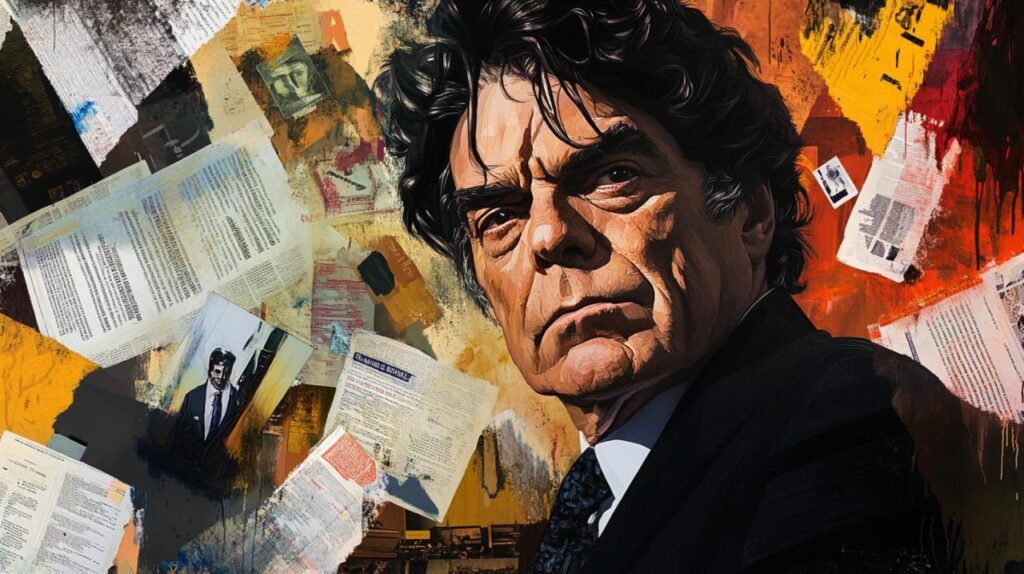
Bernard Tapie remains one of the most fascinating and polarising figures in modern French business and political history. His life was a tapestry woven with remarkable triumphs and equally remarkable controversies, a career that oscillated between the heights of entrepreneurial success and the depths of legal turmoil. From his humble beginnings to his ascent as a titan of industry, his story is one that continues to spark debate and reflection, particularly regarding the regulatory frameworks that govern banking and corporate governance in France today. His legacy, though contentious, has undeniably left an indelible mark on the nation's financial landscape.
The Rise and Fall of Bernard Tapie's Business Empire
Early Ventures and the Accumulation of Wealth
Born into a working-class family, Bernard Tapie pursued studies in electrical engineering, a foundation that would later inform his keen understanding of industry and commerce. His early career was characterised by an astute ability to identify struggling companies that, with the right intervention, could be transformed into profitable enterprises. This knack for spotting potential where others saw only failure became the cornerstone of his business philosophy. Tapie's approach was hands-on and dynamic, involving himself deeply in the operations of the companies he acquired. He did not merely invest capital; he invested his energy, his vision, and his relentless drive to succeed. Through a series of strategic purchases and restructurings, he began to amass considerable wealth, establishing himself as a formidable force in the French business community. His ventures spanned a diverse array of industries, reflecting his ambition and willingness to take risks in pursuit of greater rewards.
Corporate Takeovers and the Pinnacle of Success
The pinnacle of Bernard Tapie's business career was marked by high-profile corporate takeovers and his stewardship of the Olympique de Marseille football club. Under his leadership, the club achieved unprecedented success, securing both French and European football titles that cemented his status as a national icon. His ownership of the club was emblematic of his larger-than-life persona, characterised by flamboyance and a flair for the dramatic. Beyond football, Groupe Bernard Tapie, his holding company, invested in a wide range of sectors, from media to manufacturing, demonstrating his broad commercial interests. Each acquisition seemed to further bolster his reputation as a savvy entrepreneur capable of revitalising ailing businesses and generating substantial returns. His success was not merely financial; it was also symbolic, representing the possibility of upward mobility and the triumph of ambition over adversity. However, this period of remarkable achievement also sowed the seeds for future difficulties, as the complexity and scale of his operations began to attract scrutiny from both the media and regulatory authorities.
Legal Troubles and the Crédit Lyonnais Scandal
The Adidas Deal and Allegations of Fraud
The trajectory of Bernard Tapie's career took a dramatic and unfortunate turn when his business dealings became the subject of intense legal investigation. Central to this was the contentious sale of his stake in Adidas in 1993, a transaction that would haunt him for decades. At the time, Tapie was compelled to sell his shares in the sportswear giant as he entered politics, becoming a minister in the Socialist government. The sale was facilitated by Crédit Lyonnais, a state-owned bank, and the terms of the deal later became a source of bitter dispute. Tapie alleged that the bank had undervalued his stake and profited from the subsequent resale, effectively defrauding him of hundreds of millions. The ensuing legal battles were protracted and convoluted, involving multiple courts and attracting significant media attention. The case also ensnared prominent political figures, including Nicolas Sarkozy and Christine Lagarde, the latter of whom was found guilty of negligence for not appealing an arbitration ruling in Tapie's favour. The scandal highlighted deep-seated issues within the French banking system, particularly regarding conflicts of interest and the lack of transparency in major financial transactions.
Court Battles and the Massive Compensation Award
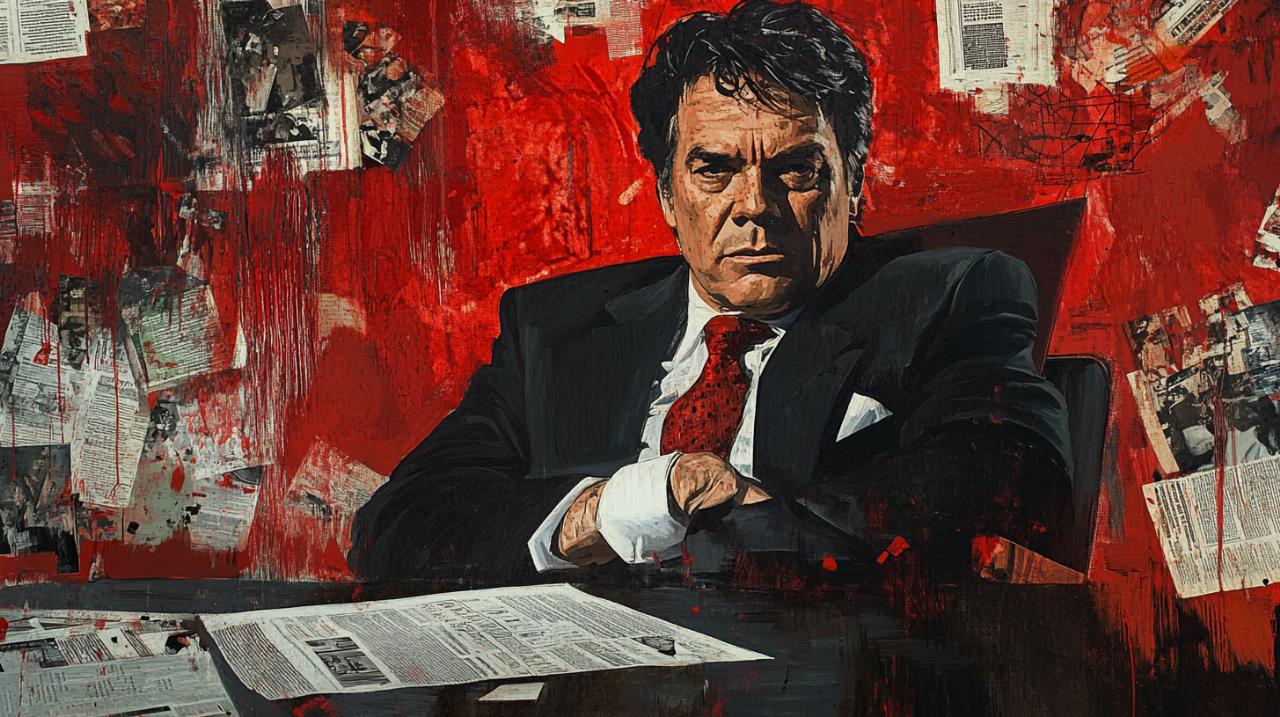
In 2008, an arbitration panel awarded Bernard Tapie over four hundred million euros in compensation, a sum that was intended to redress the financial harm caused by the allegedly fraudulent sale of his Adidas shares. The award was met with widespread controversy, with critics questioning both the process and the legitimacy of such a substantial payout. The decision to refer the case to arbitration rather than pursue conventional judicial channels raised eyebrows and fuelled suspicions of impropriety. In 2015, the settlement was deemed fraudulent, and Tapie was ordered to repay the money, a ruling that plunged him back into financial turmoil. The legal saga reached another critical juncture when the Paris criminal court acquitted Tapie of defrauding the state, finding no evidence of fraud in the arbitration payout. Although absent from court due to health reasons, the acquittal was a significant moment in his ongoing struggle to clear his name. Four others implicated in the case, including Stephane Richard, head of Orange, were also acquitted of complicity. Despite the acquittal, the case left a lasting stain on Tapie's reputation and underscored the complexities and potential pitfalls of high-stakes financial litigation. His earlier conviction for match-fixing in 1997, for which he served six months in prison, further complicated public perceptions of his character and conduct.
The Legacy of Bernard Tapie on French Banking and Corporate Governance
Reforms in Banking Oversight and Financial Transparency
The controversies surrounding Bernard Tapie, particularly the Crédit Lyonnais scandal, served as a catalyst for significant reforms in French banking oversight and financial transparency. The revelations of potential conflicts of interest and lack of accountability prompted regulators to re-evaluate existing frameworks and implement more stringent controls. The case exposed vulnerabilities in how state-owned banks managed high-value transactions and dealt with politically connected clients. In response, authorities introduced measures aimed at enhancing disclosure requirements, ensuring that all parties involved in major financial deals are held to rigorous standards of conduct. The emphasis shifted towards greater transparency, with the goal of preventing similar abuses in the future. Independent audits and more robust internal controls became standard practice, reflecting a broader commitment to restoring public trust in the financial sector. The Tapie affair demonstrated that even the most powerful individuals could not operate with impunity, and that the integrity of the banking system depended on vigilant oversight and the willingness to hold wrongdoers accountable, regardless of their status or connections.
Lessons Learnt for Future Business Practices in France
The saga of Bernard Tapie offers enduring lessons for future business practices in France and beyond. His career illustrates both the potential rewards and the inherent risks of aggressive entrepreneurship, particularly when ambition is not tempered by adherence to ethical and legal standards. The case underscores the importance of transparency in all business dealings, especially those involving public institutions and significant sums of money. It also highlights the dangers of conflicts of interest and the need for clear boundaries between business, politics, and finance. For aspiring entrepreneurs, Tapie's story serves as a cautionary tale about the consequences of financial misconduct and the long-term damage that legal troubles can inflict on personal and professional reputations. Moreover, the reforms prompted by his scandals have contributed to a more resilient and accountable financial system in France, one better equipped to detect and deter fraud. While Tapie's legacy remains divisive, with some viewing him as a victim of a flawed system and others as a symbol of corporate excess, there is no denying that his impact on French banking regulations and corporate governance has been profound and lasting. His life reminds us that success in business must be built on a foundation of integrity, and that the pursuit of wealth should never come at the expense of ethical responsibility.