

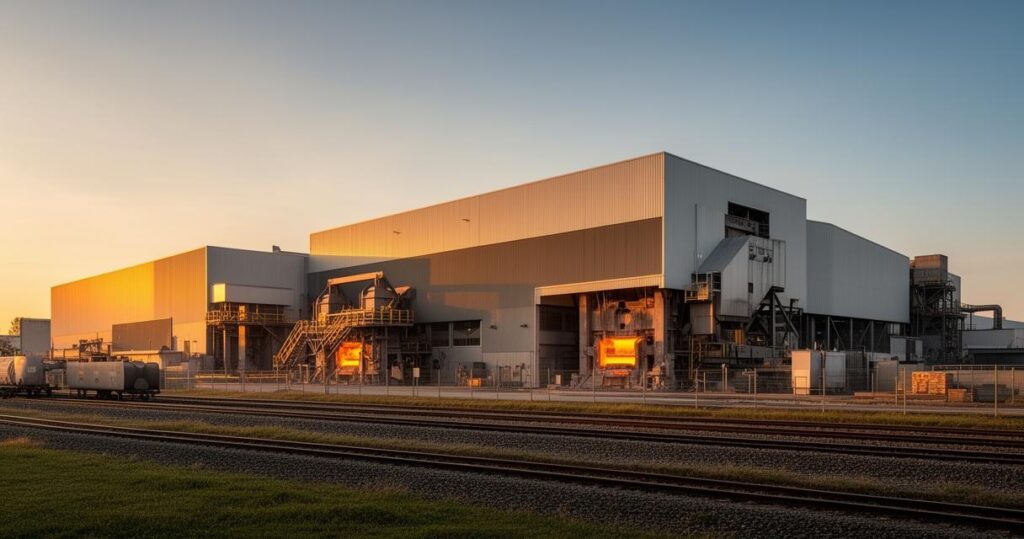
The future of Fonderie de Bretagne has become one of the most closely watched industrial stories in Brittany, as the historic Caudan site moves towards a change of ownership designed to secure its long-term growth. For a foundry so deeply woven into the economic fabric of Morbihan, any shift in ownership carries weight far beyond the factory gates, touching families, suppliers and an entire regional supply chain that has depended on this site for generations.
What to know
- Renault Group has selected the Munich-based investment firm Callista to acquire the Fonderie de Bretagne site in Caudan.
- The sale is intended to secure the foundry's future through necessary modernization and specialized industrial expertise that Renault can no longer prioritize.
- Maintaining employment levels at the Caudan plant is a central pillar of Callista's proposed industrial plan.
- The foundry has struggled with persistent financial deficits due to rising production costs and the automotive industry's shift toward electrification.
- Renault will maintain a strategic partnership with the foundry, continuing to rely on its components despite the transfer of ownership.
- The acquisition reflects a broader trend of private equity firms investing in established French industrial SMEs to boost their long-term competitiveness.
The Strategic Sale of Fonderie de Bretagne: Preserving Employment in Morbihan
Why caudan's foundry needs new ownership for sustained growth
Fonderie de Bretagne has long been a cornerstone of industrial activity in Caudan, yet the pressures of a changing automotive sector have made it clear that fresh ownership is needed to unlock its potential. Renault Group, which has overseen the site for decades, confirmed that it had selected an offer from the Munich-based investment group Callista to take over the foundry. This decision, announced on the fourth of July 2022, marked a turning point for the plant, opening the door to a new chapter focused on modernisation and renewed competitiveness. The rationale behind the sale is straightforward: Fonderie de Bretagne requires sustained investment and industrial expertise that a specialised owner can provide more readily than a large manufacturer juggling multiple global priorities.
Employment Stakes and Regional Economic Impact in Brittany
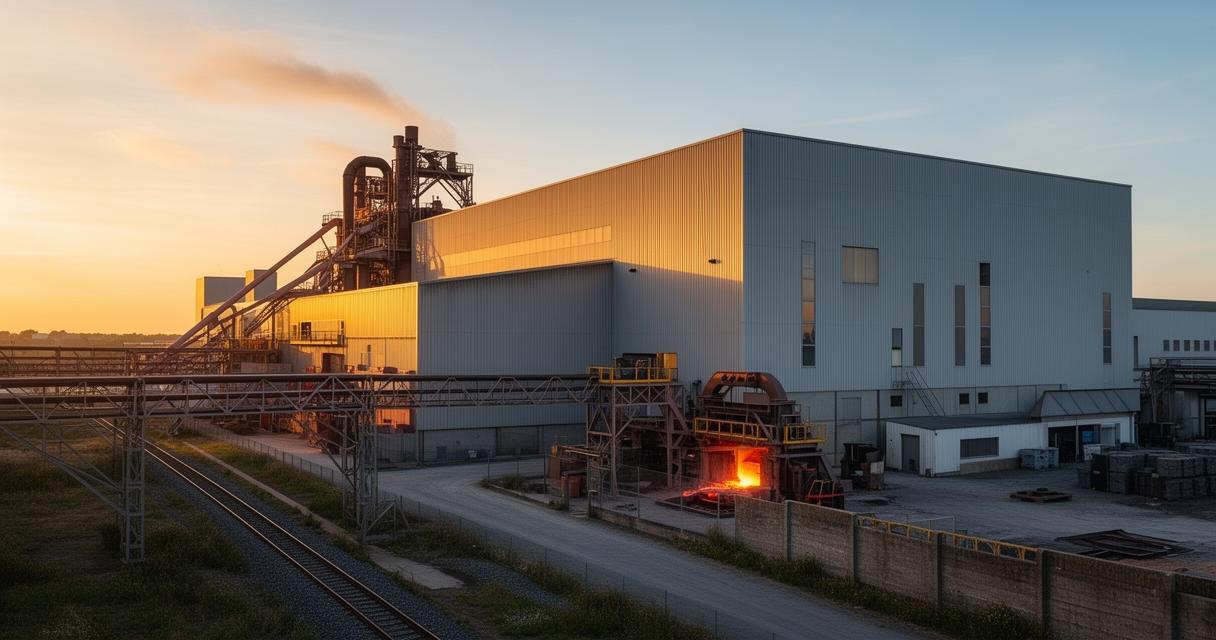
For the workforce at Caudan, the announcement brought both uncertainty and cautious optimism. Job preservation has been positioned as a central pillar of the transition, with Callista's proposed industrial plan explicitly built around maintaining employment levels rather than reducing them. This matters enormously in a region where the foundry represents not just a workplace but a symbol of industrial identity. Local officials, including figures connected to regional governance such as Loig Chesnais-Girard, have followed the developments closely, aware that the site's fate could influence broader economic sentiment in Morbihan, particularly as public attention sharpens ahead of upcoming elections.
Financial Challenges and the Renault Partnership: Understanding the Deficit
The financial pressures facing fonderie de bretagne
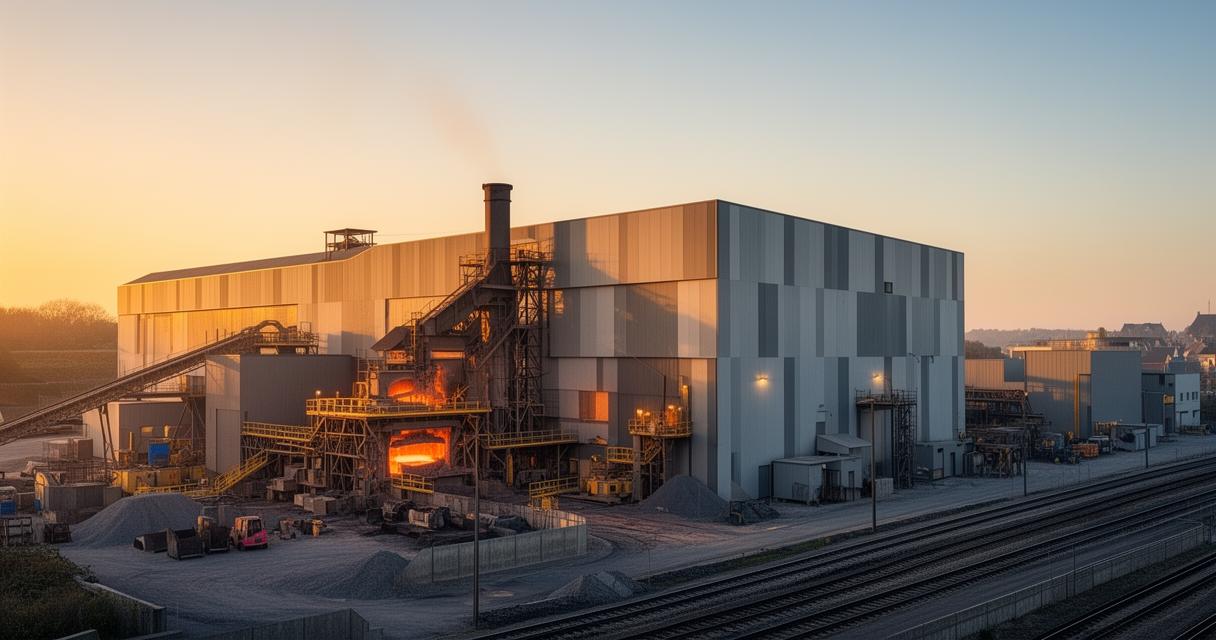
Behind the sale lies a story of mounting financial strain. Like many traditional foundries, the Caudan site has grappled with rising costs, shifting demand patterns and the broader upheaval affecting automotive brands as they pivot towards electrification. These pressures have translated into a persistent deficit, prompting stakeholders to seek a partner capable of injecting fresh capital and strategic direction. Employees and local suppliers have watched the negotiations with a mixture of hope and concern, aware that the outcome will shape not only individual livelihoods but also the wider industrial ecosystem that depends on the foundry's continued operation.
How the Renault Relationship Shapes the Foundry's Future
Despite stepping back from direct ownership, Renault Group has been careful to frame this transition as a continuation of partnership rather than a clean break. The company has reaffirmed its commitment to supporting the site's transformation over the coming years, signalling that the relationship between Renault and Fonderie de Bretagne will remain significant even after the change in ownership. This continuity matters because Renault's own trajectory, including its ambitions around carbon neutrality across Europe by 2040 and its stable of brands spanning Renault, Dacia, Alpine and Mobilize, still relies on components and expertise historically drawn from Caudan. With around 111,000 employees worldwide and vehicle sales reaching 2.7 million units in 2021, Renault's scale underscores just how significant its supply relationships remain, even as it restructures its industrial footprint.
Private Equity Interest and Investment Opportunities in Brittany's SME Sector
Callista, Loig Chesnais-Girard, and the Role of Private Investors
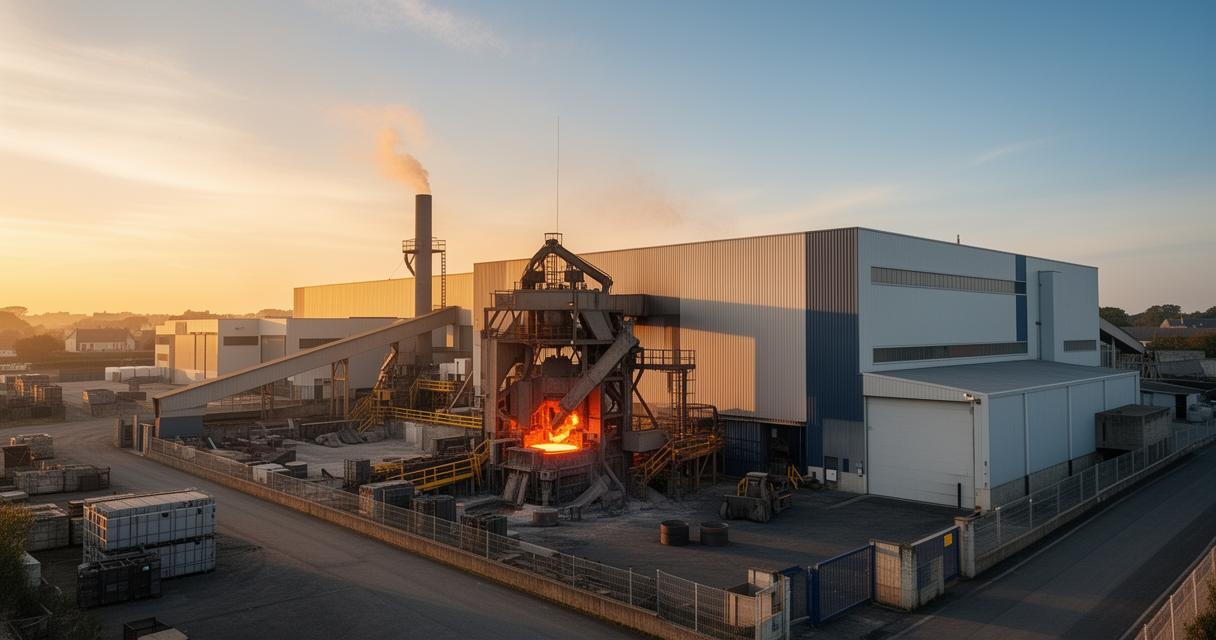
The involvement of Callista has drawn particular attention, not least because it illustrates a growing appetite among private equity firms for investing in French industrial SMEs with strong regional roots. Callista's firm offer to Renault Group was accompanied by an industrial plan emphasising substantial investment, modernisation of equipment and a clear focus on boosting competitiveness at the Caudan site. This approach reflects a broader trend in which specialised investors seek out established manufacturing assets that, with the right capital and strategic guidance, can be repositioned for long-term viability rather than managed for short-term gain.
Lessons for Potential Buyers and the Future of Regional Manufacturing
The unfolding situation at Fonderie de Bretagne offers a valuable case study for anyone interested in industrial transformation and regional investment. It demonstrates how legacy manufacturers can find renewed purpose through targeted acquisition, provided that new owners commit genuinely to modernisation and workforce stability. Media coverage, including commentary from outlets such as Le Figaro and various industry newsletters, has highlighted the broader implications for employment and economic resilience in Brittany. For investors and industry watchers keen to follow how this story develops, platforms like notifylist.com have encouraged interested parties to subscribe for exclusive updates, underlining just how significant this acquisition could prove for the future of manufacturing across the region.