

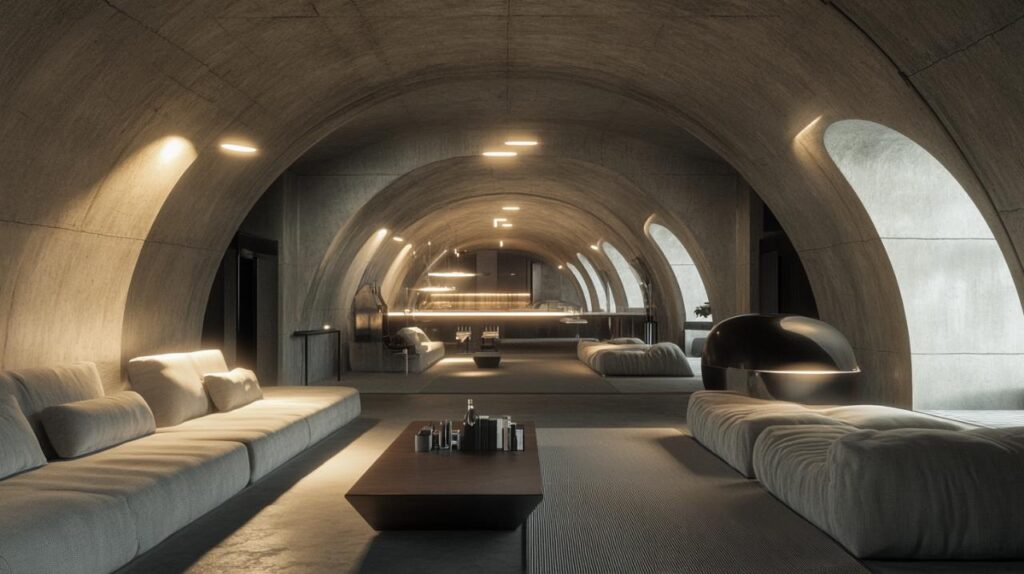
Across the globe, individuals and families are increasingly considering investment in underground shelters designed to withstand the harshest of circumstances. From geopolitical upheaval to the very real prospect of climate-driven catastrophes, the rationale for securing a fortified refuge has never appeared more compelling. This movement, once the preserve of a select few with resources to spare, has now entered mainstream conversation, fuelled by concerns that span from the conflict in Ukraine to rising threats of environmental and social instability. The following exploration examines the key drivers behind this trend, the practical considerations for construction in France, and the legal landscape that governs such ventures.
Why Bunker Investment Makes Sense in Today's Climate: From Ukraine Tensions to Natural Disasters
The landscape of global security has shifted dramatically in recent years, with the war between Russia and Ukraine serving as a stark reminder of how rapidly tensions can escalate. The sustained conflict has prompted many to reassess their personal safety strategies, and the notion of a fortified underground shelter has moved from the realm of science fiction into serious consideration. Beyond military confrontations, the world faces an array of natural disasters exacerbated by climate change, from devastating floods and wildfires to hurricanes and earthquakes. These combined factors have driven a renewed interest in residential bunkers, a sector that market analysts predict will expand significantly, with projections suggesting the global nuclear bunker market could reach approximately three billion United States dollars by the early 2030s. This growth, underpinned by a compound annual rate of around six per cent, reflects a tangible appetite for security solutions that extend beyond conventional insurance policies or emergency kits.
The rising demand for nuclear shelters following global uncertainties
In recent years, the appetite for nuclear shelters has surged in response to a series of unsettling global events. The Russia-Ukraine war has not only intensified regional instability but also revived fears reminiscent of the Cold War era, when the spectre of nuclear confrontation loomed large over everyday life. Experts note that the current climate mirrors that bygone period, with individuals once again seeking refuge from invisible threats. Russia's ongoing rhetoric, including what some describe as rattling the nuclear sabre to deter European nations from providing substantial support to Ukraine, has heightened anxieties across the continent. The European Union's significant financial commitments to Ukrainian defence, including billions of euros channelled through various aid packages, underscore the seriousness with which these threats are being taken. Meanwhile, geopolitical tensions are not confined to Eastern Europe; missile tests and strategic posturing in other regions, such as those involving North Korea, have further contributed to a sense of vulnerability. This heightened awareness has driven demand not only for basic shelters but for facilities that meet rigorous safety standards, including those set by NATO for blast protection. The residential segment, which encompasses private family bunkers, is expected to dominate the market, reflecting a shift from purely governmental or military installations to personal investments in security and peace of mind.
What high-profile figures like mark zuckerberg teach us about private security investments
The phenomenon of wealthy individuals investing in elaborate bunkers has captured public imagination, with figures such as Mark Zuckerberg reportedly constructing subterranean refuges equipped with luxurious amenities. These high-profile ventures serve as both a reflection of existential angst and a catalyst for broader interest in the bunker industry. Pop culture has played a role in normalising this trend, with films and media portrayals depicting scenarios of societal collapse that resonate with contemporary anxieties. Companies such as Oppidum Bunkers, based in Switzerland, have reported a marked increase in enquiries, often from clients inspired by such narratives. These facilities are far removed from the austere shelters of the past; modern luxury bunkers can feature swimming pools, fully equipped gyms, libraries, and even art galleries, transforming the concept of survival into one of sustained comfort. The most accessible options from premium providers might begin at around seven and a half million euros, offering substantial underground living space with multiple bedrooms and bathrooms, situated just a few metres beneath the earth's surface. At the upper end of the spectrum, bespoke installations can exceed twenty million dollars, complete with bespoke interiors and cutting-edge security systems. Beyond the opulence, these investments signal a broader recognition among the affluent that traditional security measures may prove insufficient in the face of large-scale disruptions. Some experts have suggested that rather than retreating into private fortresses, those with resources might channel their influence towards supporting geopolitical stability, such as advocating for continued aid to Ukraine, thereby addressing the root causes of insecurity. Nonetheless, the trend continues to gain momentum, with military-grade security personnel and even considerations for maintaining authority over protective staff forming part of the preparedness strategy. The development of so-called safe haven farms, which combine security with sustainable agriculture, represents another facet of this movement, offering prototypes for both elite retreats and community-based resilience initiatives.
Essential Construction Materials and Equipment for Building a Reliable Bunker in France
Constructing a bunker that meets modern safety and comfort standards requires careful selection of materials and equipment. In France, where building regulations and geological conditions vary, the approach to shelter construction must balance robustness with practicality. The materials chosen must withstand not only potential blasts and radiation but also the test of time, ensuring structural integrity over decades. Equally important is the integration of advanced equipment and security systems that can sustain occupants for extended periods, providing not just protection but a liveable environment. The investment in such a facility is substantial, but with proper planning and adherence to standards, it can offer unparalleled peace of mind.
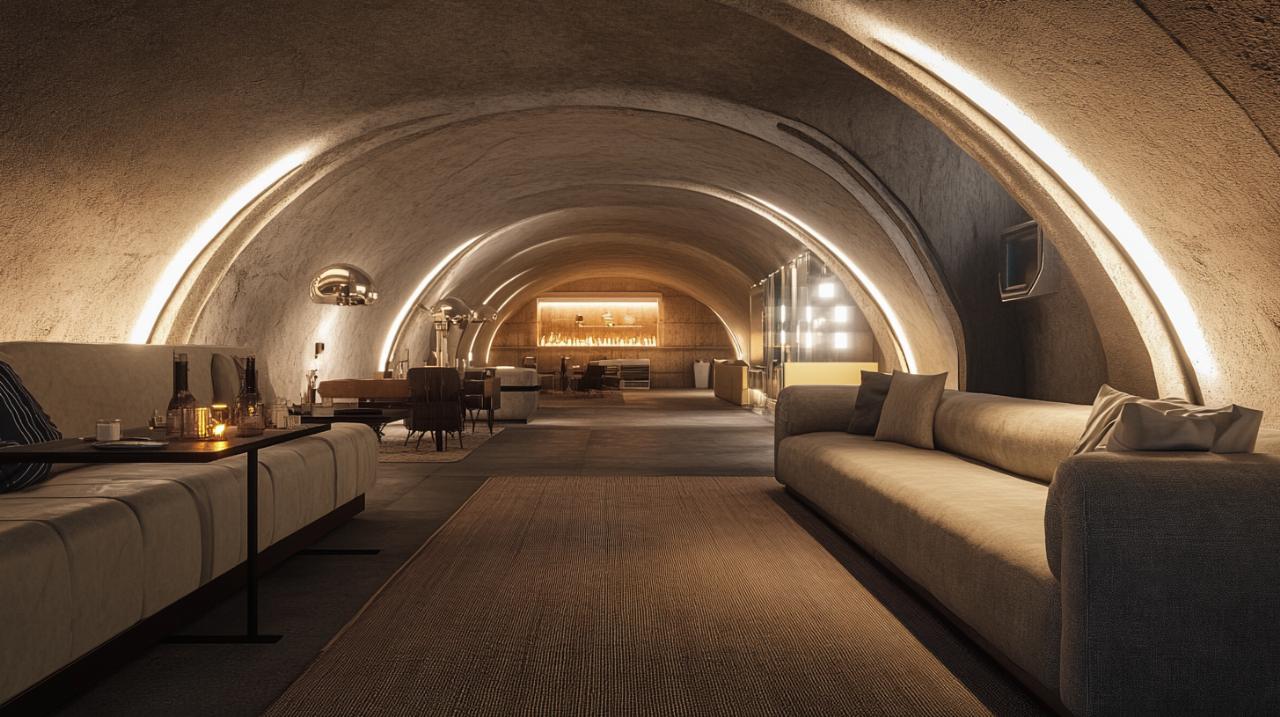
Modern materials that balance price with protection standards
The foundation of any effective bunker lies in its construction materials, which must offer exceptional strength while remaining economically viable. Reinforced concrete remains the cornerstone of bunker construction, prized for its ability to absorb and dissipate energy from blasts and its resistance to fire and extreme temperatures. In France, sourcing high-quality concrete that meets the requisite compressive strength specifications is essential, and this often involves working with specialised suppliers who understand the unique demands of subterranean projects. Steel reinforcement bars, or rebar, are integrated throughout the concrete structure to enhance tensile strength and prevent cracking under stress. The thickness of walls and ceilings is determined by the level of protection desired, with NATO-standard blast shelters requiring substantial mass to shield against overpressure and debris. Beyond the primary structure, the choice of waterproofing membranes is critical, particularly in regions with high water tables or significant rainfall. Modern polymer-based membranes offer superior durability compared to older bituminous products, ensuring that moisture ingress does not compromise the interior environment or the integrity of electronic systems. Insulation materials must also be carefully selected to maintain stable temperatures year-round without relying solely on mechanical systems. Closed-cell foam insulation provides both thermal resistance and an additional barrier against moisture, while also contributing to the overall structural rigidity. Doors and hatches represent a unique challenge, as they must be robust enough to withstand blast forces yet remain operable under extreme conditions. Steel blast doors, often custom-fabricated, are the standard choice, with some designs incorporating multiple locking mechanisms and gaskets to create airtight seals. The price of these materials can vary considerably, but budget-conscious projects can achieve reliable protection by prioritising essential features and avoiding unnecessary embellishments. For those seeking a balance between cost and capability, a well-designed shelter using proven materials can be constructed for a fraction of the price commanded by luxury installations, making security accessible to a wider audience.
Core Equipment and Security Systems Required for Effective Shelter Design
Equipping a bunker with the necessary systems to sustain life and maintain security is as crucial as the physical structure itself. Air filtration is paramount, with nuclear, biological, and chemical filtration units capable of removing contaminants from incoming air while maintaining breathable oxygen levels. These systems typically incorporate multiple stages of filtration, including HEPA filters and activated carbon, and are powered by redundant electrical supplies to ensure continuous operation. In France, where mains electricity may be unavailable during a crisis, backup generators fuelled by diesel or alternative energy sources such as solar panels and battery banks provide essential resilience. Water supply systems must include both storage and purification capabilities, with tanks sized to support occupants for weeks or months, depending on the anticipated duration of occupancy. Greywater recycling and rainwater harvesting can extend these reserves, though such systems require regular maintenance and monitoring. Food storage is another critical consideration, with dry goods, freeze-dried meals, and long-life provisions forming the core of a bunker's larder. Climate-controlled storage areas help preserve these supplies, while rotating stock ensures freshness and prevents waste. Communication equipment allows occupants to remain informed about external conditions and coordinate with rescue services or other survivors. This includes radio transceivers, satellite phones, and internet connectivity where feasible, all shielded from electromagnetic pulse effects. Security systems extend beyond physical barriers to include surveillance cameras, motion detectors, and alarm systems that monitor both the interior and the immediate perimeter. Access control systems, such as biometric scanners or coded locks, restrict entry to authorized individuals and can be integrated with broader home automation platforms. For those investing in more elaborate setups, redundant life support systems and medical facilities, complete with basic surgical equipment and pharmaceuticals, can prove invaluable. The investment in such equipment can range from a few thousand pounds for basic setups to hundreds of thousands for fully integrated, high-specification systems. Regardless of budget, the guiding principle should be reliability, with preference given to proven technologies and robust engineering over novelty or aesthetic appeal.
Navigating Planning Permission and Legal Requirements for Bunker Construction in France
The legal framework governing bunker construction in France is complex, reflecting the country's commitment to urban planning, environmental protection, and public safety. Prospective bunker owners must navigate a series of regulatory hurdles, from obtaining planning permission to ensuring compliance with building codes and environmental standards. Understanding these requirements early in the planning process is essential to avoid costly delays or legal challenges. Moreover, the financial outlay required for compliance can be substantial, adding a significant dimension to the overall investment.
Understanding French Regulations for Underground Shelters and Nuclear Protection Facilities
In France, any significant construction project, including the creation of underground shelters, is subject to the approval of local planning authorities, known as the mairie or the Direction Départementale des Territoires. The permis de construire, or building permit, is mandatory for most structures, and the application process requires detailed architectural plans, engineering reports, and environmental impact assessments. For bunkers, which often involve substantial excavation and alterations to the landscape, demonstrating that the project will not adversely affect neighbouring properties, groundwater levels, or protected habitats is critical. The authorities may impose conditions related to drainage, ventilation shafts, and access points, all of which must be designed to minimise visual impact and environmental disruption. In some areas, particularly those designated as historical or environmentally sensitive, obtaining permission can be especially challenging, and applicants may be required to engage heritage consultants or ecological surveyors. Beyond planning permission, compliance with national building codes is non-negotiable. These codes, which align with European standards, specify minimum requirements for structural integrity, fire safety, and accessibility. For shelters intended to provide nuclear protection, adherence to recognised blast and radiation shielding standards, such as those promulgated by NATO or equivalent bodies, is advisable, though not always legally mandated. Engaging a qualified structural engineer with experience in bunker design is essential to ensure that all technical specifications are met and that the facility will perform as intended under extreme conditions. Legal considerations also extend to the use of the land itself, with questions of property rights, easements, and potential liabilities arising if the bunker encroaches on adjoining plots or affects shared utilities. In rural areas, agricultural zoning may restrict certain types of development, requiring applicants to seek special dispensations or rezoning approvals. The bureaucratic process can be time-consuming, often taking several months to over a year, and requires patience, meticulous documentation, and, in many cases, the assistance of legal professionals who specialise in property and construction law.
How to Budget Your Investment: Price Considerations for Different Bunker Specifications
The financial commitment required to construct a bunker varies dramatically based on size, location, materials, and the level of sophistication desired. At the lower end of the market, a basic prefabricated shelter suitable for a small family can be acquired for around nineteen thousand United States dollars, offering fundamental protection from blasts and fallout but limited amenities. These entry-level options are often constructed from corrugated steel or fiberglass and can be installed relatively quickly with minimal site preparation. However, for those seeking a more comprehensive solution, the price escalates rapidly. Mid-range bunkers, built to higher standards with reinforced concrete, advanced filtration, and integrated security systems, typically cost between one hundred thousand and five hundred thousand pounds, depending on specifications and regional labour costs. In France, where construction costs can be higher than in some other European nations due to stringent regulations and the need for specialised contractors, these figures may increase further. Luxury installations, complete with spacious living quarters, recreational facilities, and bespoke finishes, can exceed several million pounds, with the most elaborate examples reaching upwards of twenty million dollars. Such projects often involve extensive excavation, custom engineering, and the integration of cutting-edge technology, all of which drive up both the initial outlay and ongoing maintenance expenses. Beyond the construction itself, prospective bunker owners must budget for ancillary costs, including legal fees, planning applications, environmental surveys, and insurance. Financing options may be limited, as traditional mortgage lenders are often reluctant to underwrite unconventional projects, necessitating cash purchases or specialised lending arrangements. Maintenance and operational costs also merit consideration, with air filtration systems, generators, and security equipment requiring regular servicing and periodic upgrades. Food and water supplies must be replenished, and any climate control or monitoring systems will incur ongoing energy expenses. For those who view a bunker as a long-term investment in family security, these costs are a small price to pay for peace of mind. However, it is essential to approach the project with realistic expectations and a clear understanding of the total financial commitment involved, ensuring that the investment aligns with both immediate needs and long-term preparedness goals.