

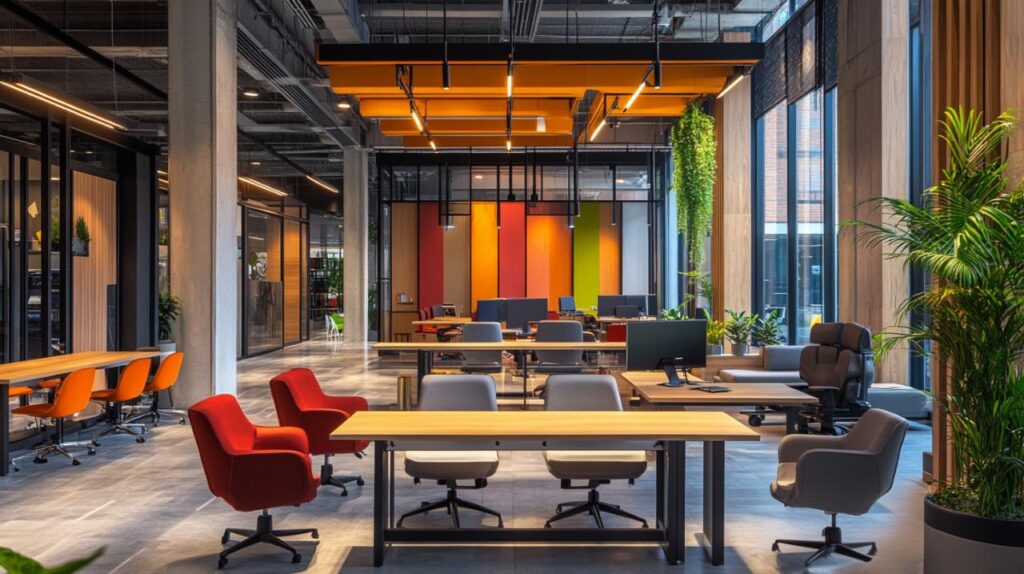
The modern coworking environment continues to evolve at a remarkable pace, driven by shifts in how we approach work, collaboration, and employee wellbeing. As we move deeper into 2025, the furniture choices made by companies and workspace providers have never been more critical. From fostering flexibility and supporting diverse working styles to prioritising health and sustainability, the right furnishings can transform an office into a dynamic, productive, and welcoming space. Understanding which pieces truly matter and why they matter is essential for any organisation looking to create a workspace that meets the demands of today's workforce whilst anticipating tomorrow's needs.
Essential Furniture Elements for Flexible Coworking Arrangements in 2025
Flexibility has become the cornerstone of successful coworking office arrangements, and the furniture selected must reflect this priority. The traditional fixed layout, once a staple of corporate environments, has largely fallen out of favour. In its place, modular and agile furniture solutions have taken centre stage, enabling spaces to adapt quickly to the changing needs of employees and companies alike. This shift is not merely aesthetic but functional, allowing teams to reconfigure their environment for various tasks, from focused individual work to collaborative group sessions. The ability to transform a workspace within minutes rather than hours is now a defining characteristic of modern office furniture trends.
Adjustable Height Desks and Modular Workstations for Modern Office Furniture Solutions
Adjustable height desks have emerged as indispensable components of the contemporary office, offering users the freedom to alternate between sitting and standing throughout the day. This simple yet effective feature addresses a range of health concerns, from reducing the risk of musculo-skeletal disorders to promoting better circulation and energy levels. The Steelcase Flex Single Table and the Benchmark Noa Sit-Stand Desk are notable examples of how thoughtful design can enhance both comfort and productivity. These workstations are not only adjustable but also incorporate integrated cable management and power modules, ensuring that technology is seamlessly woven into the working environment without creating clutter or disruption.
Modular workstations further extend the concept of flexibility by allowing companies to scale their arrangements up or down as needed. Whether accommodating a growing team or reconfiguring for a special project, modular furniture provides the adaptability that rigid systems simply cannot match. The Orangebox Coppice Desk exemplifies this trend, combining clean lines with practical functionality to suit a variety of office layouts. Such pieces are designed to be reconfigured with ease, supporting the agile nature of modern work and ensuring that the arrangement remains aligned with the evolving needs of the workforce.
Creating optimal meeting areas and collaborative spaces through strategic design
Meeting areas and collaborative spaces are vital to the success of any coworking office, serving as hubs for innovation, discussion, and decision-making. The design of these zones must encourage interaction whilst also providing the necessary comfort and technology to support effective collaboration. Lounge seating, such as the Icons of Denmark Blox or the Viccarbe Cubow, offers inviting and versatile options that blur the line between formal and informal settings. These pieces foster a relaxed atmosphere conducive to creative thinking and open dialogue, which are essential for teams working together on complex challenges.
Private pods and meeting booths have also gained prominence, offering quiet, focused environments where employees can conduct video calls, hold confidential discussions, or simply escape the bustle of the open-plan office. Products like the Orangebox Diggs and the Framery Four Accessible provide acoustic solutions that reduce noise pollution and enhance concentration. The integration of sound-absorbing panels and materials ensures that these spaces remain tranquil, even in the midst of a bustling coworking environment. By strategically placing these elements throughout the office, companies can create a balanced arrangement that caters to both collaborative and individual work styles.
The Critical Importance of Ergonomic Seating in Preventing Musculo-Skeletal Disorders
The health implications of poor seating cannot be overstated. Research has consistently shown that inadequate office chairs contribute significantly to musculo-skeletal disorders, with nearly half of office workers reporting lower back pain and a substantial proportion experiencing neck discomfort. These issues not only affect employee wellbeing but also have a direct impact on productivity and absenteeism. Investing in ergonomic seating is therefore not merely a matter of comfort but a strategic decision that supports the long-term health and performance of the workforce.
Advanced posture support features that companies should prioritise for employee wellbeing
Ergonomic office chairs in 2025 are characterised by a range of advanced features designed to support proper posture and reduce strain. Adjustable lumbar support is a fundamental element, allowing users to tailor the chair to their unique spinal curvature and maintain the natural alignment of the back. Seat height and armrest adjustments further enhance personalisation, ensuring that each individual can achieve an optimal seating position regardless of their body type or desk arrangement. The Steelcase Gesture chair, widely recognised as a leading option, incorporates these features alongside innovative mechanisms that adapt to the user's movements, providing continuous support throughout the day.
Breathable mesh upholstery has become a popular choice, offering superior ventilation that keeps users cool and comfortable during extended periods of sitting. This material not only enhances comfort but also contributes to the overall sustainability of the product, as many manufacturers now use recycled materials in their mesh designs. The Steelcase Karman and the Orangebox Eva are examples of ergonomic task chairs that combine breathable fabrics with robust support structures, demonstrating how modern design can marry functionality with environmental responsibility. Companies prioritising these features are making a clear statement about their commitment to employee wellbeing and sustainable practices.
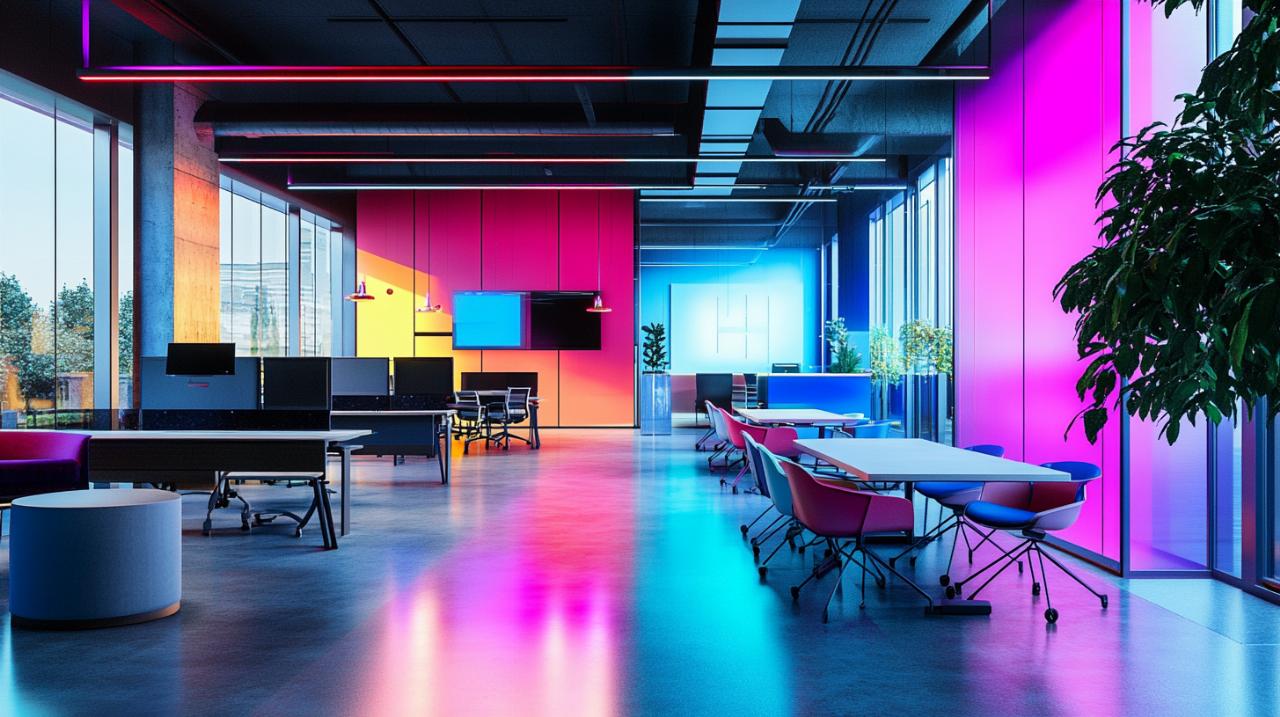
How Proper Ergonomic Chairs Enhance Comfort and Productivity in the Working Environment
The link between comfort and productivity is well established. When employees are free from pain and discomfort, they can focus more fully on their tasks, leading to higher quality work and greater job satisfaction. Ergonomic chairs with adjustable features allow users to fine-tune their seating position, reducing the likelihood of fatigue and distraction. The global market for ergonomic office chairs reflects this understanding, having reached a valuation of approximately fourteen billion dollars in recent years and projected to grow steadily as more companies recognise the value of investing in quality seating.
Moreover, the psychological benefits of working in a well-designed environment should not be underestimated. An office that demonstrates care for its employees through thoughtful furniture choices fosters a sense of respect and motivation. This human-centred approach to workspace design, championed by organisations such as Insightful Environments, emphasises the creation of environments that support both the physical and emotional needs of the workforce. By integrating ergonomic seating into their overall design strategy, companies can cultivate a working environment that is not only productive but also genuinely supportive of the people who occupy it.
Balancing Professional Work Needs with Relaxation Zones in Coworking Space Arrangement
While productivity and efficiency are paramount, the importance of relaxation and informal interaction within the coworking space cannot be overlooked. Employees benefit greatly from having access to areas where they can take breaks, recharge, and engage with colleagues in a less structured setting. The arrangement of these zones requires careful consideration to ensure they complement rather than detract from the professional areas of the office. Striking this balance is essential for creating a holistic workspace that supports the full spectrum of employee needs.
Furniture Recommendations for Dedicated Relaxation and Breakout Areas
Relaxation zones should be furnished with pieces that invite employees to unwind and step away from the demands of their desks. Lounge seating options, such as the Isomi Knit One Chair, offer a comfortable and aesthetically pleasing solution that encourages informal gatherings and casual conversations. These areas can be enhanced with biophilic design elements, incorporating natural materials and greenery to create a calming atmosphere. The Sixteen3 Eden Planters, for example, introduce a touch of nature into the workspace, promoting a sense of tranquillity and connection to the outdoors that can reduce stress and improve overall wellbeing.
Outdoor furniture is another trend gaining traction, as companies seek to extend their workspace beyond the confines of traditional indoor settings. Products like the Extremis Cabrio and the Gandia Blasco Arena enable employees to work or relax in open-air environments, weather permitting. This approach not only broadens the options available to the workforce but also reinforces the commitment to sustainability and biophilic design principles. By providing varied settings for relaxation and informal work, companies can foster a more dynamic and engaging workspace that supports diverse preferences and working styles.
Integrating flexible furniture solutions to support diverse employees' requirements
The modern workforce is characterised by its diversity, encompassing a wide range of working styles, physical needs, and personal preferences. Furniture solutions must therefore be inclusive and adaptable, capable of accommodating this variety without compromising on quality or functionality. Inclusive design principles are increasingly being embedded into office furniture, ensuring that pieces are accessible to all users, including those with disabilities. The Framery Four Accessible pod is a prime example, offering a private space that is fully accessible and equipped with the necessary features to support a diverse range of users.
Flexible furniture solutions extend beyond individual pieces to encompass the overall arrangement of the workspace. Modular seating and reconfigurable desks allow companies to tailor their environment to the specific needs of their employees, whether that involves creating quiet zones for focused work or collaborative areas for team projects. This adaptability is crucial in a coworking setting, where the needs of the workforce can shift rapidly in response to changing projects or team compositions. By investing in flexible, inclusive furniture, companies can ensure that their workspace remains relevant and supportive, regardless of how the demands of the working environment evolve.
Sustainability continues to be a driving force behind furniture choices in 2025, with a growing emphasis on recycled materials, FSC-certified wood, and furniture recycling programmes. These initiatives not only reduce the environmental impact of office furnishings but also align with the values of many employees, who increasingly expect their employers to demonstrate a commitment to environmental responsibility. Refurbished furniture from leading brands such as Herman Miller and Steelcase offers a cost-effective and sustainable alternative to new purchases, combining quality and longevity with a reduced carbon footprint. As the workplace continues to evolve, the integration of sustainable practices into furniture procurement and management will remain a key consideration for forward-thinking companies.