

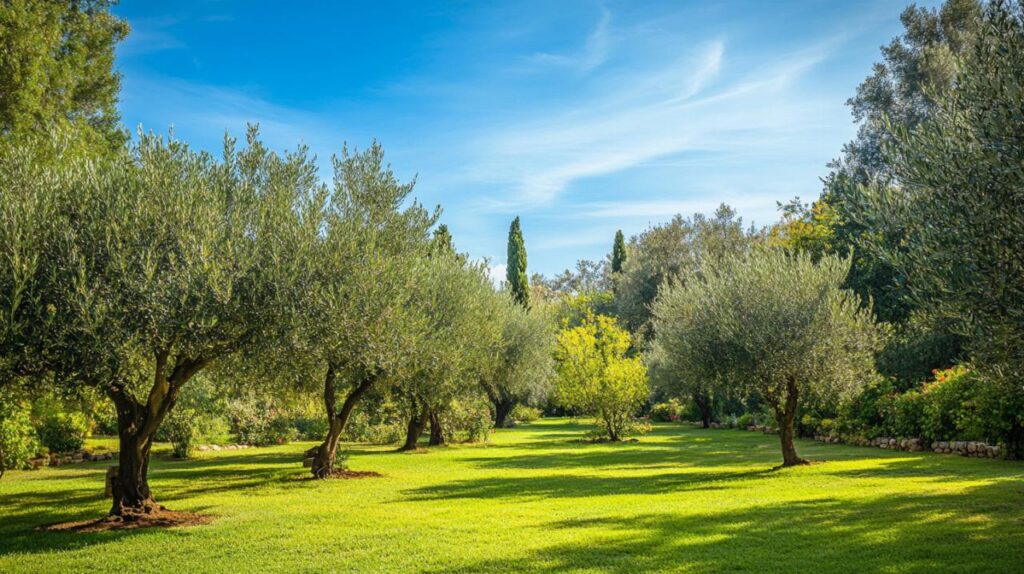
The allure of Mediterranean plants has never been stronger in British gardens, and few specimens capture this charm quite like the olive tree. With their silvery foliage and elegant form, these resilient trees bring a touch of the sun-drenched south to gardens across the UK. Whether you have a sprawling estate or a modest courtyard, understanding olive tree varieties can help you select the perfect specimen to enhance your outdoor space. From compact cultivars ideal for containers to robust varieties that withstand our unpredictable climate, the diversity available ensures there is an option for every gardener.
Popular olive tree varieties for british gardens
When it comes to choosing an olive tree for your garden, several varieties have proven particularly successful in the British climate. Among the most recommended options are Arbequina, Leccino, and Picual, each offering distinct characteristics that make them suitable for cultivation in UK gardens. These varieties have been carefully selected for their ability to thrive in our conditions, provided they receive adequate sunlight and are planted in well-drained soil. While hundreds of olive tree varieties exist worldwide, these three stand out for their adaptability and ornamental appeal.
The Arbequina is celebrated for its compact growth habit and attractive appearance, making it an excellent choice for gardeners working with limited space. This Spanish variety produces small, flavourful olives and displays a graceful branching structure that adds visual interest throughout the year. The Leccino, an Italian cultivar, offers exceptional hardiness and a slightly more vigorous growth pattern, whilst the Picual brings a distinctly upright form that works beautifully as a focal point in garden design. Each of these varieties can be shaped into various forms, including bonsai, cloud, lollipop, gnarled, and pom pom styles, allowing for creative expression in your garden layout.
Compact varieties perfect for smaller spaces
For those gardening in more confined areas or considering container cultivation, certain olive varieties prove particularly accommodating. The Arbequina stands out as an ideal choice for smaller gardens, patios, and even balconies. Its naturally restrained growth habit means it can be maintained at a manageable size without excessive pruning, making it perfect for urban gardeners or those who prefer low-maintenance specimens. This variety adapts remarkably well to container life, allowing you to enjoy the Mediterranean aesthetic even when working with limited ground space.
Beyond the Arbequina, other compact varieties such as the Frantoio and Pendolino also deserve consideration for smaller spaces. These cultivars can be trained and shaped to suit your specific requirements, whether you prefer a standard tree form, a spiral topiary, or even a double spiral design. The versatility of these smaller varieties extends to their placement possibilities, as they can be positioned near seating areas to provide dappled shade or used to frame entrances and pathways. Many garden centres now offer these trees in various sizes and trained forms, from young plants to established specimens that provide immediate impact.
Hardy cultivars that withstand british weather
The British climate presents unique challenges for Mediterranean plants, with cold winters, unpredictable frosts, and occasionally wet conditions testing the resilience of olive trees. Fortunately, several varieties have demonstrated remarkable hardiness when grown in appropriate conditions. The Leccino variety, in particular, has earned a reputation for its ability to tolerate cooler temperatures and adapt to the vagaries of British weather. This Italian cultivar combines ornamental beauty with practical toughness, making it a sensible choice for gardeners in more exposed or northerly locations.
The Picual variety also exhibits commendable hardiness, though it benefits from placement in a sheltered spot with good drainage. When selecting hardy cultivars, it is worth noting that whilst olive trees can survive British winters, they perform best when given protection from harsh winds and waterlogged conditions. The Hojiblanca and Hornachuelos varieties also merit attention for their resilience, with the latter capable of reaching impressive heights of up to eight metres when fully mature. Positioning these trees against south-facing walls or in sheltered courtyards maximises their chances of thriving whilst protecting them from the worst of our winter weather.
Selecting the Right Variety for Your Growing Conditions
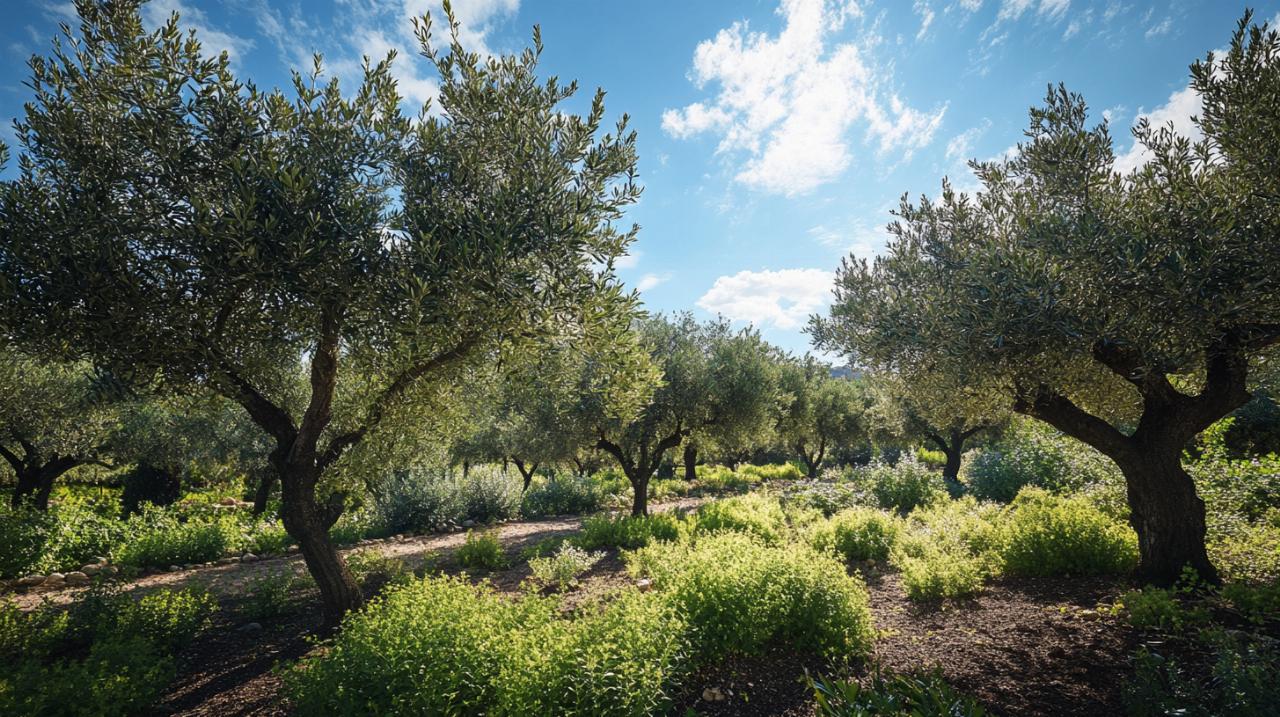
Choosing the appropriate olive variety involves careful consideration of your specific growing conditions and gardening objectives. The amount of sunlight your garden receives, the quality of your soil drainage, and the degree of shelter from wind all influence which varieties will flourish. Olive trees universally require good drainage and benefit enormously from sunny positions, but beyond these basic requirements, individual varieties display different tolerances and preferences. Assessing your garden's microclimate and understanding the particular needs of each variety will guide you towards the most suitable choice.
The scale of your garden and your intended use for the tree also play crucial roles in variety selection. If you are seeking a dramatic specimen tree to serve as a garden centrepiece, varieties that develop substantial trunks and characterful growth patterns, such as gnarled olive trees, might appeal. Conversely, if you wish to create a cohesive planting scheme with multiple trees or integrate olives into a mixed border, more compact varieties offer greater flexibility. Many horticultural retail outlets and specialist nurseries can provide guidance on matching varieties to your specific circumstances, and some even offer discount offers on selected varieties throughout the year.
Fruit production characteristics of different varieties
Whilst olive trees are primarily valued for their ornamental qualities in British gardens, their fruit-bearing potential adds an extra dimension of interest. Most olive varieties will begin producing fruit within three to five years when grown in the UK, though yields and reliability vary considerably between cultivars. The Arbequina is particularly noted for its productive nature, offering a reasonable harvest even in our climate, whilst the Picual and Leccino also produce fruit under favourable conditions. It is worth noting that fruiting success depends heavily on summer warmth and the presence of compatible pollinating varieties.
The Cornicabra variety represents another option for those interested in fruit production, though it may require more specific conditions to crop reliably in Britain. Some gardeners choose to grow multiple varieties to improve pollination rates and increase the likelihood of a successful harvest. The Pendolino, for instance, is known as an excellent pollinator for other varieties. However, it is important to maintain realistic expectations regarding fruit yields in the UK climate, as our cooler, wetter conditions naturally limit production compared to traditional Mediterranean growing regions. For many British gardeners, any fruit production is considered a delightful bonus rather than the primary purpose of cultivation.
Size and Growth Habits to Consider
Understanding the ultimate size and growth characteristics of different olive varieties proves essential for successful long-term planning. Whilst all olive trees can be maintained at a smaller size through pruning and training, their natural growth habits influence how much intervention they require and how they fit into your garden design. Standard trees develop a single trunk with a rounded canopy, whilst specimens trained as spiral trees or pleached trees offer more architectural forms that suit formal garden styles. The natural vigour of varieties such as Hornachuelos, which can reach eight metres at maturity, contrasts sharply with the more restrained growth of compact varieties.
The choice between purchasing a young plant and investing in a heavy standard olive tree or established specimen depends partly on your patience and budget. Younger trees offer the satisfaction of watching your plant develop over time and can be shaped according to your preferences, whilst mature specimens provide instant impact and established character. Garden centre options now include trees trained into various forms, from traditional standards to contemporary topiary shapes, allowing you to select a tree that already possesses the structure you desire. Whether you opt for a compact variety suited to container growing or a substantial specimen tree destined to become a garden landmark, understanding growth habits ensures your choice will harmonise with your garden's evolution over the coming years.