


The beauty industry has undergone a remarkable transformation in recent years, driven by the advent of advanced technologies and the strategic use of vast amounts of information. As businesses strive to meet the evolving demands of consumers, the integration of sophisticated analytical tools has become indispensable. This shift has enabled brands to craft more effective strategies, tailor their offerings, and ultimately deliver products that resonate deeply with their audience. The convergence of data-driven insights and creative innovation is reshaping how cosmetics and skincare are developed, marketed, and experienced by customers worldwide.
Understanding big data's impact on beauty product development
The beauty sector, valued at over five hundred billion dollars in two thousand and twenty, has embraced the power of Big Data to revolutionise product development. Companies such as L'Oréal, Estée Lauder, and Procter & Gamble have invested heavily in cutting-edge technologies to harness the potential of customer data. By analysing patterns in consumer behaviour, these organisations can identify emerging trends and predict future demands with remarkable accuracy. The application of enterprise marketing solutions enables firms to process enormous volumes of information swiftly, ensuring that they remain agile in a rapidly changing market. This approach not only optimises strategic planning and package design but also enhances the efficiency of marketing campaigns, allowing brands to stay ahead of competitors.
How consumer behaviour analysis shapes product innovation
Understanding what drives purchasing decisions has become a cornerstone of modern product innovation in the beauty industry. Through the meticulous examination of sales data, customer reviews, and online interactions, brands can uncover valuable insights into consumer preferences. Machine learning algorithms sift through this information to detect subtle patterns that might otherwise go unnoticed. For instance, artificial intelligence is employed to analyse thousands of reviews, enabling companies to refine their ingredient libraries and develop formulations that address specific concerns. This level of detail ensures that new launches are not merely speculative but are grounded in evidence of what customers genuinely desire. The result is a more informed approach to innovation, where every decision is backed by robust data and a deep understanding of the market.
Leveraging social media insights for trend forecasting
Social media platforms have emerged as treasure troves of real-time insights, particularly among younger demographics. Millennials and Generation Z, who account for fifty-two and sixty-three per cent of new product discoveries through these channels respectively, are reshaping how brands approach trend forecasting. By monitoring conversations, hashtags, and influencer endorsements, companies can gauge shifting preferences almost instantaneously. The velocity at which trends evolve in the beauty sector demands rapid analysis, and predictive analytics tools are instrumental in keeping pace. Social media marketing has thus become a critical component of digital transformation, enabling brands to engage with their audience in meaningful ways whilst simultaneously gathering data to inform future product lines. Virtual influencers, with over one hundred and fifty active avatars as of mid-two thousand and twenty, further exemplify the innovative methods brands are using to stay connected with their consumer base.
Personalisation and targeted beauty solutions through data analytics
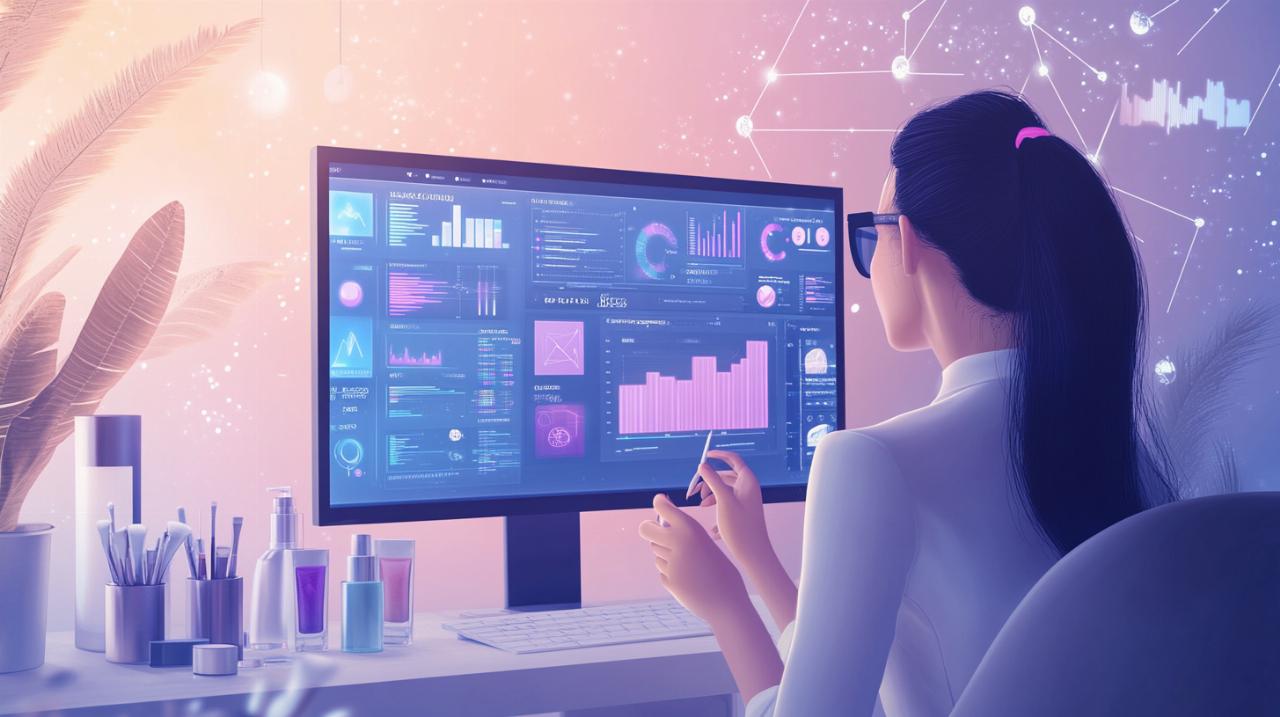
Personalisation has become a defining feature of the contemporary beauty landscape, with seventy-seven per cent of consumers expressing a preference for tailored services and a willingness to pay a premium for them. The ability to offer bespoke solutions hinges on the effective use of customer data, which is collected from diverse sources including e-commerce platforms, wearable technology, and even DNA analysis. Advanced analytics tools enable brands to segment their audience with precision, ensuring that each individual receives recommendations suited to their unique needs. This shift towards personalisation has been accelerated by the rise of online shopping, which grew by forty per cent over a two-year period, even as overall cosmetics sales declined by eight per cent. The e-commerce share of the beauty market surged from fourteen per cent in two thousand and nineteen to twenty-two per cent according to L'Oréal's annual report, highlighting the importance of digital channels in delivering personalised experiences.
Tailoring Ingredients and Formulations to Specific Skin Types
One of the most significant advancements in the beauty industry is the ability to customise ingredients and formulations to suit individual skin types. By leveraging data from wearable sensors and DNA analysis, companies are exploring innovative ways to improve skincare outcomes. For example, smart skincare devices can monitor environmental factors and skin conditions in real time, providing feedback that informs product recommendations. Charlotte Tilbury, along with other leading brands, has utilised Big Data to track demand and develop ingredient libraries that cater to a wide spectrum of needs. This approach ensures that products are not only effective but also aligned with the specific concerns of each customer. The integration of artificial intelligence further enhances this process, as algorithms continuously learn from customer feedback and adjust formulations accordingly. The potential for three-dimensional printing to revolutionise the production of personalised beauty products is also being explored, promising a future where bespoke cosmetics are as accessible as mass-produced items.
Optimising packaging and product design using customer preferences
Beyond the formulation itself, the packaging and design of beauty products play a crucial role in attracting and retaining customers. Big Data enables brands to analyse customer preferences at a granular level, informing decisions about colour schemes, materials, and even the functionality of packaging. Sustainability has become a key consideration, with consumers increasingly favouring brands that demonstrate a commitment to environmental responsibility. By examining data on purchasing behaviour and feedback, companies can identify which packaging features resonate most strongly with their audience. Augmented reality and virtual try-on technologies have also transformed the shopping experience, allowing customers to visualise products before making a purchase. Tools such as Trinny London's Match2Me and No7's Foundation Shade Finder exemplify how artificial intelligence is being used to build consumer confidence and reduce returns. The metaverse, where brands like Charlotte Tilbury have created virtual stores with features such as Shop with Friends, represents the next frontier in customer engagement. These innovations not only enhance the shopping experience but also generate valuable data that can be used to refine product design and marketing strategies.
The beauty industry continues to evolve at a remarkable pace, driven by the integration of advanced technologies and the strategic use of Big Data. The challenges of data collection, quality, security, and storage are being addressed through the adoption of cloud platforms and hybrid storage solutions, ensuring that brands can manage the volume, velocity, variety, and veracity of information effectively. As inclusivity and diversity become central themes, companies are expanding their product ranges to cater to new demographics, including the growing market for male personal care. The rise of virtual appointments and online experiences has further strengthened customer relationships, building brand loyalty in an increasingly competitive landscape. Looking ahead, the potential for wearable technology, smart sunscreens, and other innovations promises to push the boundaries of what is possible in the beauty sector. By embracing these advancements and maintaining a relentless focus on understanding consumer needs, brands are well-positioned to thrive in the dynamic and ever-changing world of cosmetics and skincare.